
Custom Battery Pack Design for Robotics
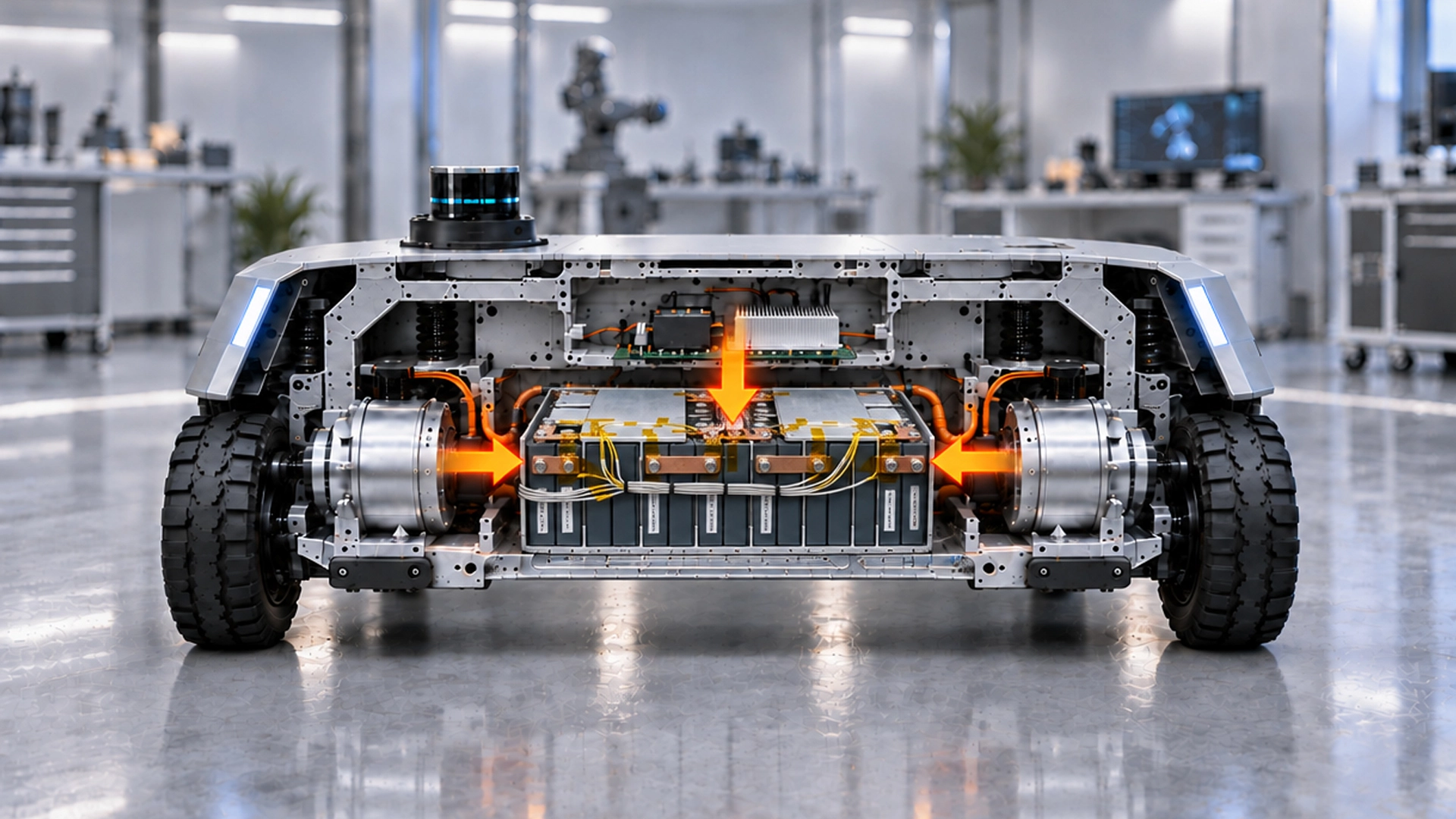
No same battery for two different robots. A warehouse AMR needs long shifts and fast swaps, a legged robot needs high current inside a tight body, and a field robot has to shrug off rain and temperature swings. That is why every battery pack we build starts with your robot, not with a catalog.
At CM Batteries, we engineer custom lithium battery packs for AMRs, AGVs, humanoid and legged robots, and agricultural, service and companion robots. Most of the projects we see run on 12V to 48V platforms, with 24V the most common, in LiFePO4 or NMC, with CAN 2.0B or RS485 communication and IP67 or IP68 protection where the work demands it.
Share your robot and its requirements, or size it first with our Battery Pack Configuration Calculator, and our engineers will reply with a proposal.
custom Battery Pack Manufacturing for Robotics by Robot Type
CM Batteries handles custom battery pack design and manufacturing for robotics. Pick your robot to see what it asks of a battery and the packs we have built for it.
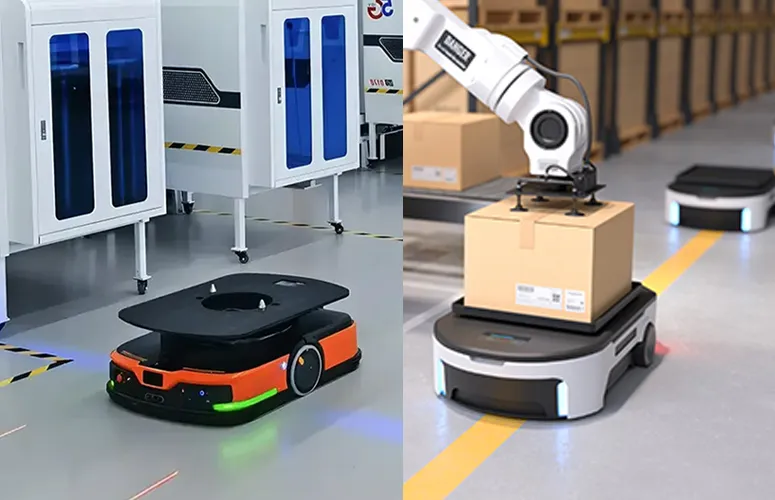
Warehouse and factory logistics
Custom Battery Packs for AMRs and AGVs
A logistics robot earns its keep by staying on the floor. We design and manufacture the pack around your bay, your fleet software and your shift pattern.
Delivered builds
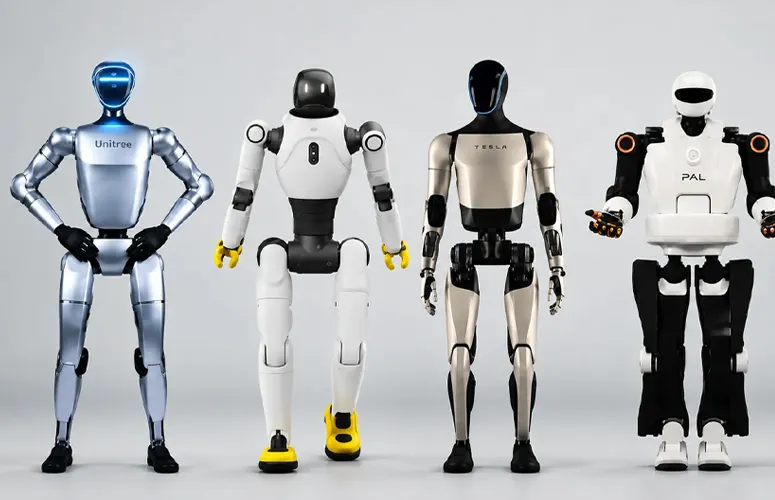

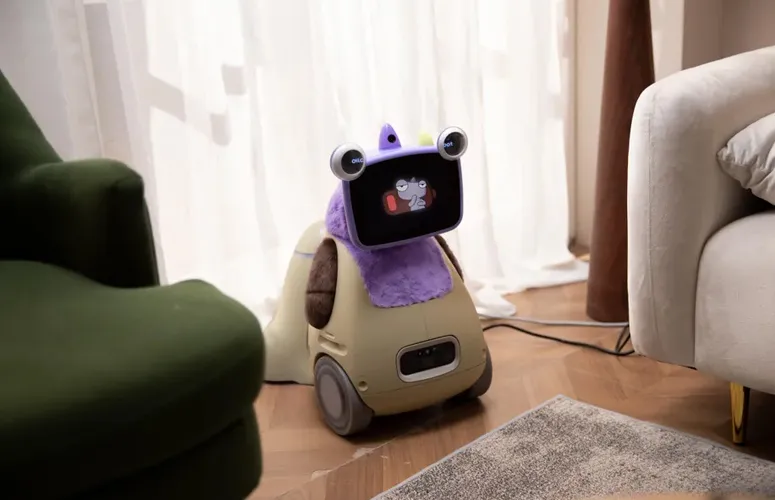
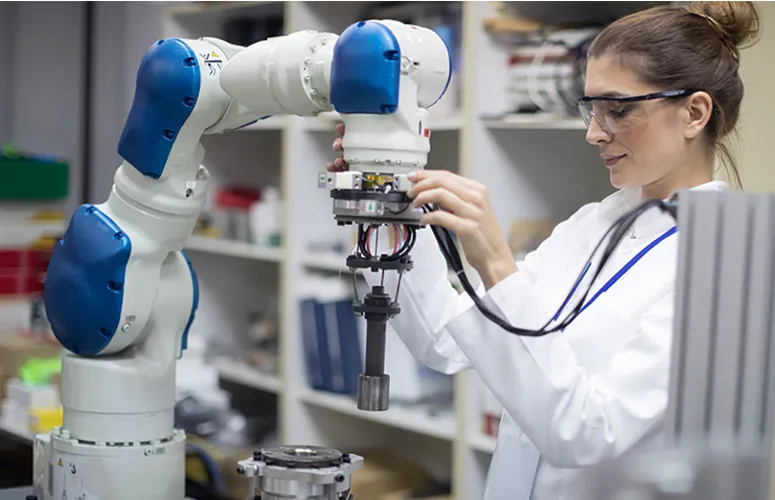
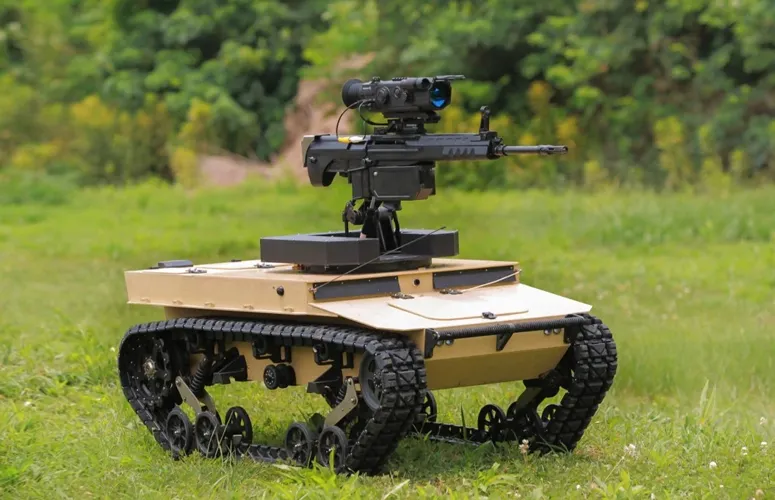
Custom Robotic Battery Packs Cases
24V 40Ah 8S1P LiFePO4 Battery Pack for Personal Robots for Home

Made of 8pcs (8S1P) EVE C40 LiFePO4 cells
Chemistry: LiFePO4 (> 3000 Cycles)
Communication: CAN/RS485
25.6V 120Ah IP67 LiFePO4 Battery Pack for Agricultural Robots
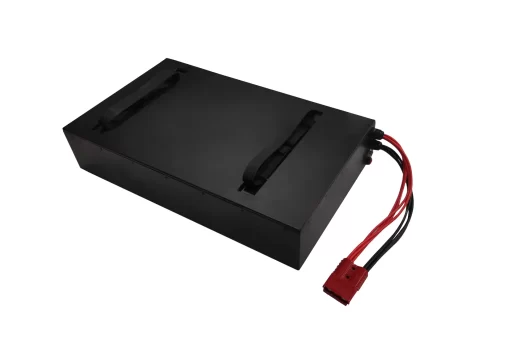 Made of EVE LiFePO4 Cells & RS485 Communication
Chemistry: LiFePO4(> 2000 Cycles)
Waterproof IP67 for below 1 meter for half an hour
25.2V 50Ah 7S10P 21700 Li-ion Battery Pack for AGV / Robot
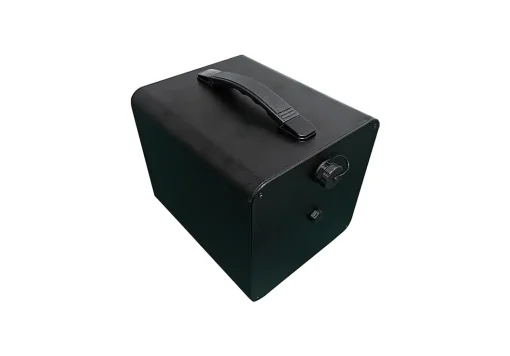 Made of 7S10P with 21700 50E Cells
Chemistry: NMC (1000 times at 80% DoD)
Communication: RS485
26.18V 59Ah 7S1P IP68 Prismatic Battery Pack for Warehouse Logistics Robots
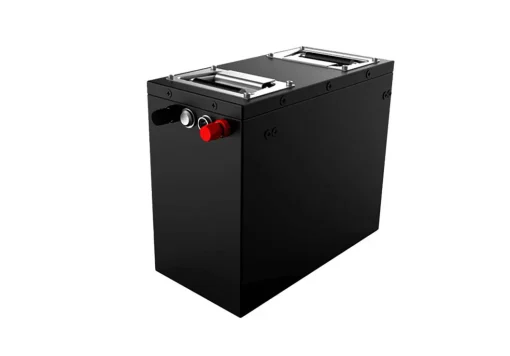 7pcs EVE 3.74V 59Ah prismatic NCM cells
Chemistry: NMC (1500 times at 80% DoD)
Communication: RS485 protocol
36V 58Ah Prismatic Battery Pack for Service Robot
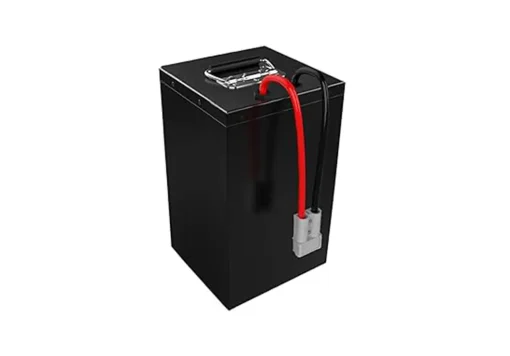 Made of 10pcs CALB 58Ah prismatic NMC cells
Chemistry: NMC (1,000 cycles at 80% DoD)
Weight:10.3KG
CAN bus communication protocol
48V 55Ah Prismatic Battery Pack for Robots/UAVs
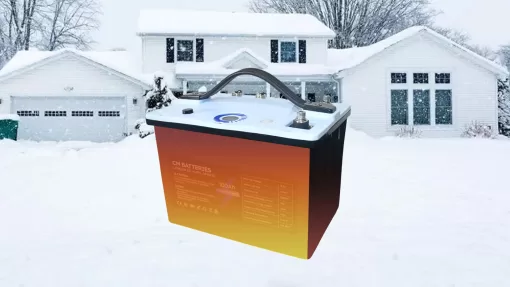
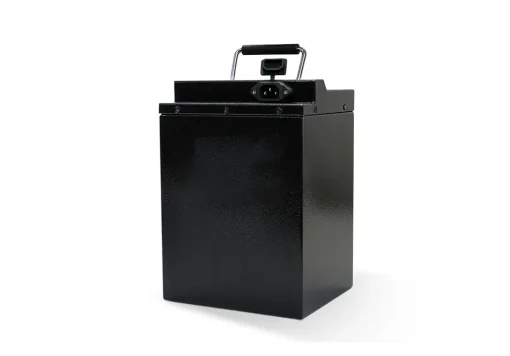 Charge at -20℃~55℃; discharge at -30℃~55℃
Chemistry: NMC (2000 times at 80% DoD)
Weight:12.3 KG
RS485 communication protocol
7.4V 10Ah 2S2P 21700 Li ion Battery for Mobile Legged Robots
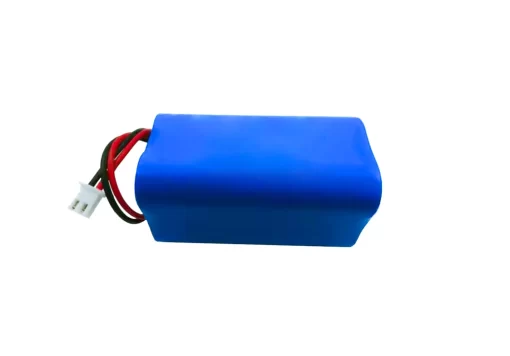
Made of 2S2P BAK INR21700-45D cells
Wide operation temperature ranges:-40℃ ~80℃
100A continuous discharge current and 150A plus discharge current
11.1V 9.6Ah 3S3P 18650 Battery Pack for Pet Companionship Robots
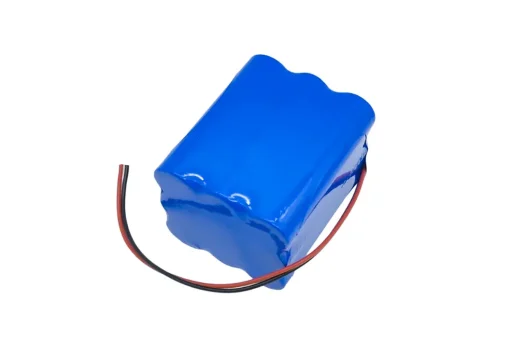
Built with BMS for 20A continuous discharge current
Compact dimension:70*125*35mm
Terminal :XT60 connector
24V 6Ah 7S2P 18650 Li-ion Battery for Consumer Robots

Made of 7S2P (14pcs),10C 3.6V 18650 3000mAh high discharge rate cells
Voltage:25.2V (Nominal),29.4V (Fully charged)
Dimension:145x70x50mm
36V 20Ah 10S4P 21700 High-Energy Lithium Battery for Robot

80A continuous/140A peak current
Aluminum shell improves heat dissipation
Higher density compared to the 18650 battery pack
More Technical Articles on Custom Battery Packs for Robotic Devices

Custom Lithium Battery for Robot FAQs
Can you customize battery packs to fit our robot’s specifications?
Yes. We fully customize voltage (3.6V–120V), physical layout, enclosure, discharge rate, and communication protocols—including CAN and RS485—to seamlessly integrate with your robotic platform.
What safety certifications do your battery packs hold?
Our batteries comply with key international standards such as UL, CE, RoHS, IEC62133,IEC62619 and UN38.3, ensuring operational safety and transport compliance.
How many charge cycles does a robot battery last?
Cycle life depends on chemistry, depth of discharge, charge and discharge rate, temperature and charging limits. As a general guide, NMC packs reach roughly 1,000 to 2,000 cycles and LiFePO4 packs 2,000 to 3,000 or more under moderate conditions, with end of life commonly defined as 80% of initial capacity. Because conditions differ, ask for test data at your own duty cycle and plan pack replacement into the robot’s service life.
How does your Smart BMS integrate with our robot’s controller?
Our BMS supports customized CAN frames, RS485 Modbus, and mainstream AGV/AMR protocols. It enables real-time monitoring, event logging, and predictive maintenance for smarter system management.
Do you offer long-cycle battery options?
Yes. We recommend LiFePO4 (3,000+ cycles) or high-durability NMC chemistry for applications requiring extended lifespan.
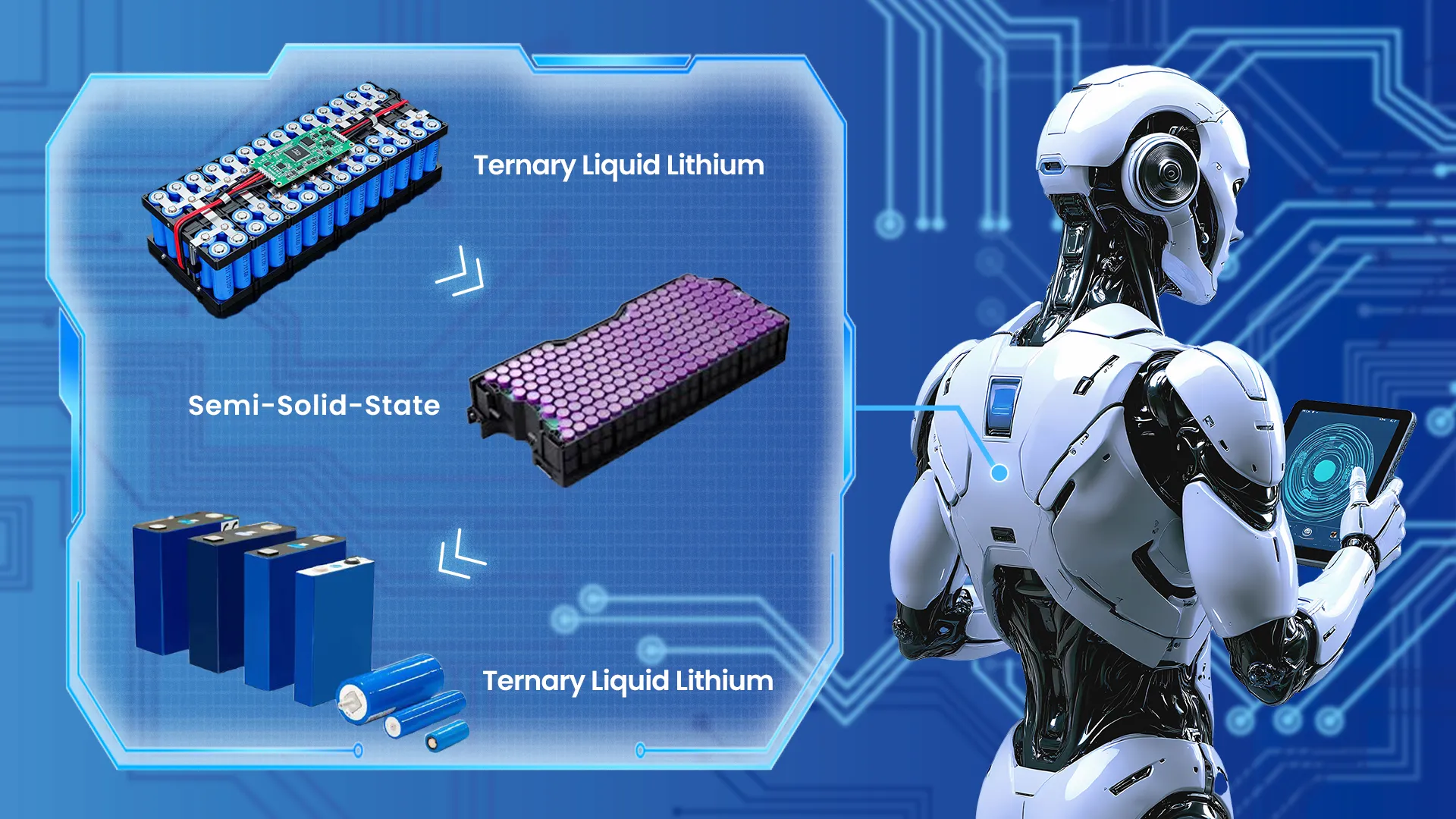
Do you offer semi-solid or solid-state battery packs?
Yes, as custom projects. We design battery packs around semi-solid and solid-state cells available through our supply partners and build samples to your specification.
Tailored Customization
Our design team can create custom battery designs for just about any device or machine.
Timely Delivery
Our efficient production and distribution process gets your product delivered in a timely manner.
Quality Guarantee
We stand by our products and guarantee you’ll be happy with your purchase.