
High Temperature Battery Packs for −40°C to 85°C Applications — UN38.3 Certified
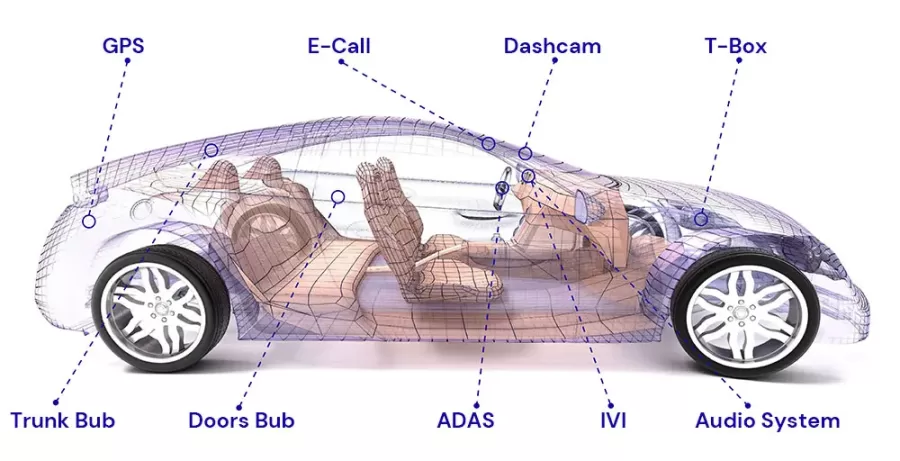
With nearly 400 successful projects, CMB’s custom high-temperature lithium-ion battery packs deliver reliable operation from −40°C to 85°C for automotive systems, outdoor IoT devices, industrial sensors, smart agriculture equipment, biomedical instruments, drones, and humanoid robots operating in demanding environments.
The best battery for high temperature applications isn’t just a cell with a high rating — it’s a complete custom battery packs sloution engineered around your second requirement.
A high temperature resistant battery pack addresses not just heat, but what heat combines with: sealed enclosures, certification requirements, maintenance cycles, and safety zones. At CMB, we adhere to ISO9001:2015 standards and conduct rigorous in-house validation: temperature cycling, humidity, mechanical shock, and vibration tests. This ensures that what works in theory also survives In practical use.

High Temperature Battery Pack Solutions Built for Your Industry

Certified Procurement-Ready High-Temperature Batteries
-40°C to +85°C Battery Solution for Automotive & Industrial Equipment
High-Capacity Wide-Temperature Battery Packs for IoT & Sensors
Long-Cycle High-Temperature LiFePO4 Batteries
Waterproof / Heat-Resistant High-Temperature Battery Packs
Drop-In High Temperature Battery Replacements (AA / 14500)
Procurement-Ready High Temperature Battery Packs
For buyers who need high temperature batteries with UN38.3 documentation, stable discharge performance, and clear engineering specifications before supplier approval.
7.2V 2000mAh High temperature Battery with UN38.3
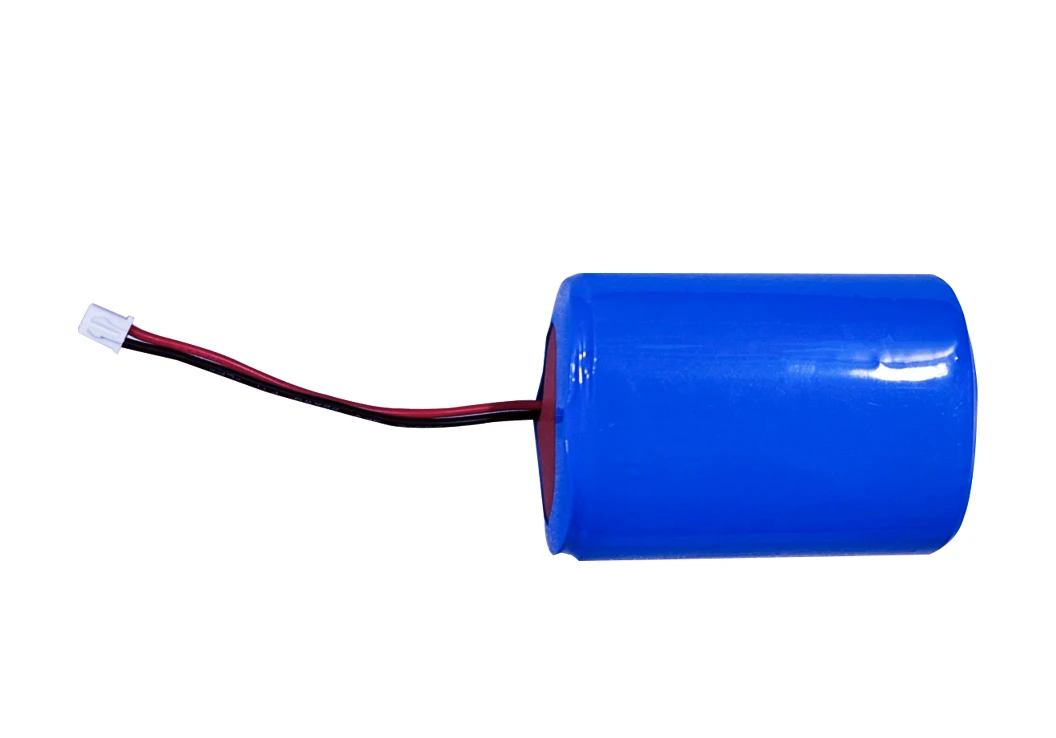 Meet UN38.3 Certification
Discharge temp range: -40°C to +85°C
Retain ≥70% capacity after ≥300 cycles
8.4V standard charge voltage for safety
Application: medical devices, portable scanners, communication tools
10.8V 2900mAh High temperature Battery with UN38.3
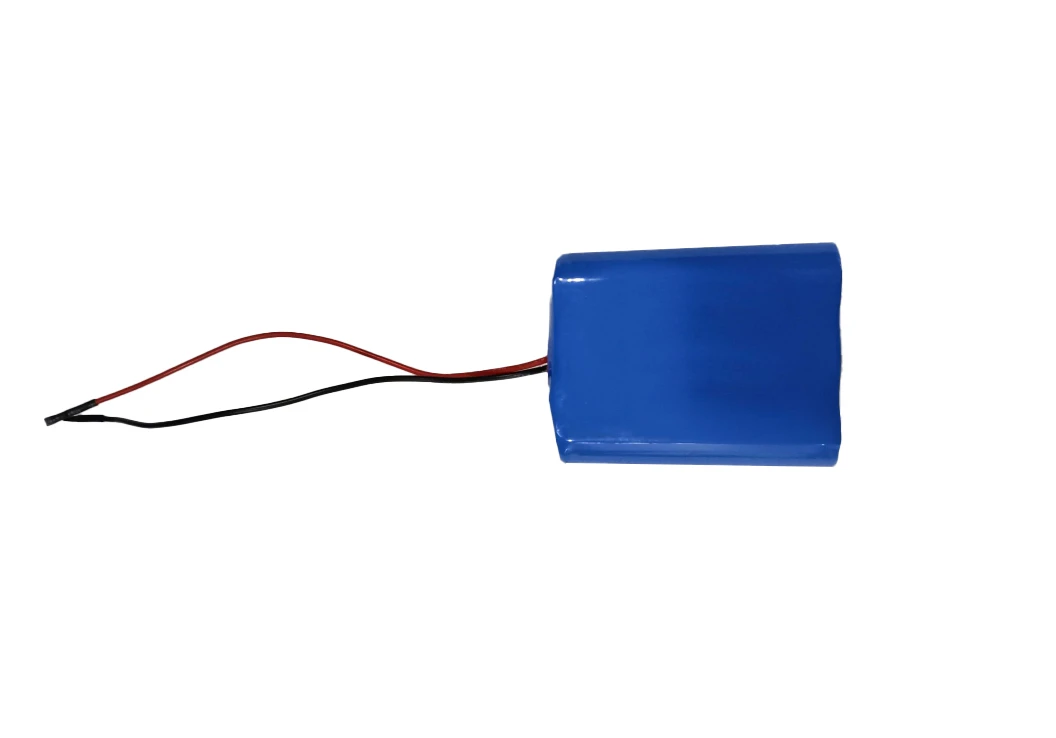
UN38.3 certified for global transportation
–40°C to +85°C industrial operating range
3S design fit strict 20 × 55.8 × 73 mm space
3A continuous, up to 10A peak
2.9Ah capacity with high energy density
10.8V 6400mAh High temperature Battery with UN38.3
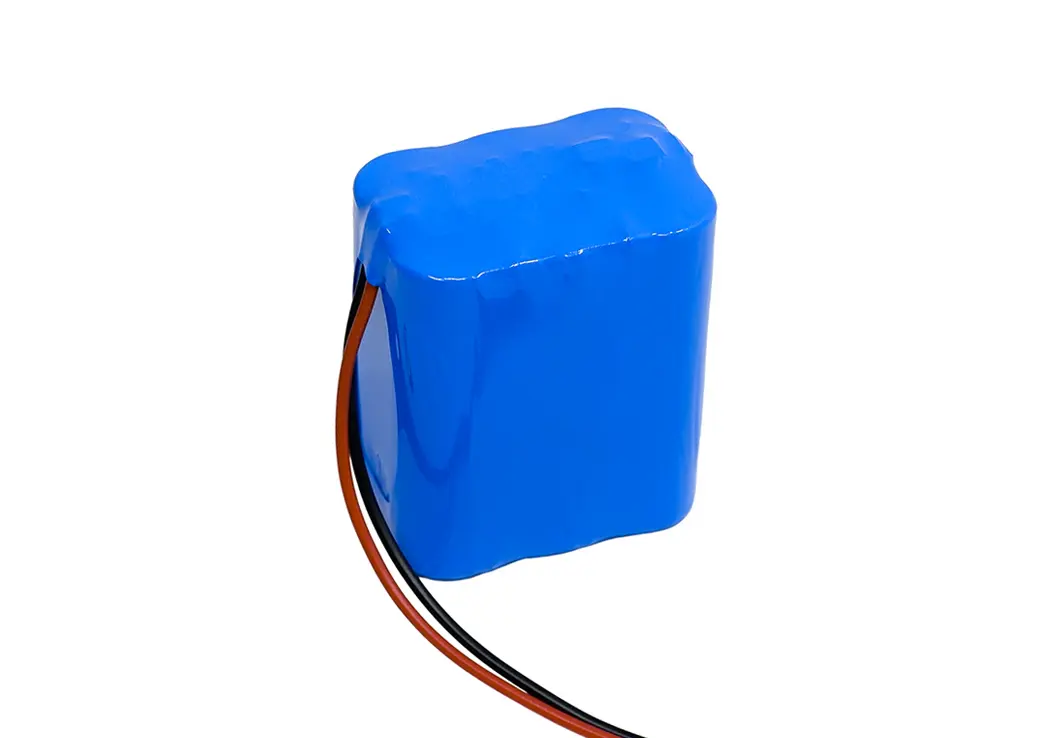
Certified with UN38.3 transportation certification
-40℃ to +80℃ for discharge, -20℃ to +60℃ for charge
Dimension: 75 × 56 × 38 mm (customizable)
70% standardized modules + 30% tailored modifications
Battery Packs for Scan Tools, GPS & Backup Systems
For automotive tools, truck GPS, industrial IoT, and backup equipment exposed to -40°C to +85°C operating conditions.
3.6V 2000mAh Rechargeable High Temperature Battery Pack
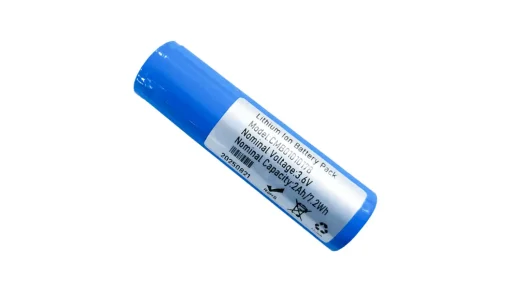 Cells: Made of 1pcs 3.6V 18650 2000mAh rechargeable high temperature li ion cell
Operation Temp range: -40 °C~85 °C
Storage Temp Range: -40 °C~90 °C
Application: Automotive scan Tool
Dimension: 19*71mm
10.8V 2000mAh 3S1P High Temp 18650 Battery Pack for Backup/Generator System
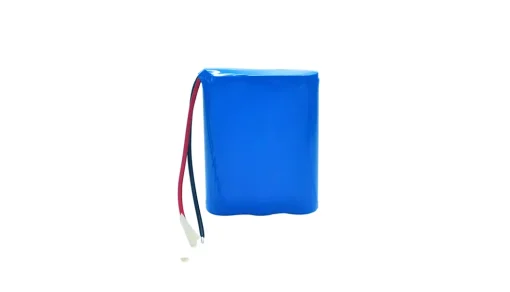
Cells: 3S1P,made of 3pcs 3.6V 18650 2000mAh high temperature li ion cells
Compact dimension: 73*56*20 (mm)
Operation temp range: -35 °C~+85 °C
Application: backup/generator system
3.6V 6000mAh High Temperature Battery Pack for Truck GPS
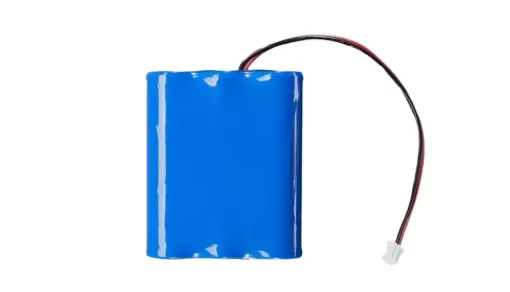
Cells: Made of 3pcs 3.6V 18650 2000mAh high-temperature cells.
Temperature Range: -40°C to 85°C.
Lifespan: 500 cycles remaining 80% capacity.
7.2V 5800mAh High Temperature Battery Pack for Industrial IoT
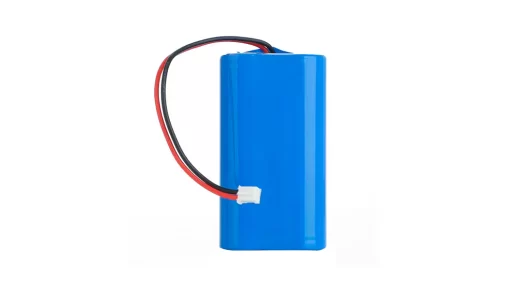
Cells: Made with 2 high-performance 3.6V 18650 2900mAh lithium-ion cells.
Temperature Range: -40°C to 85°C.
Delivers higher discharge and charge currents.
Wide-Temperature Battery Packs for Outdoor Devices
For IoT gateways, access control, outdoor sensors, and field devices that need reliable lithium-ion battery performance in high-temperature environments.
3.6V 2900mAh High Temperature Battery for Outdoor Device
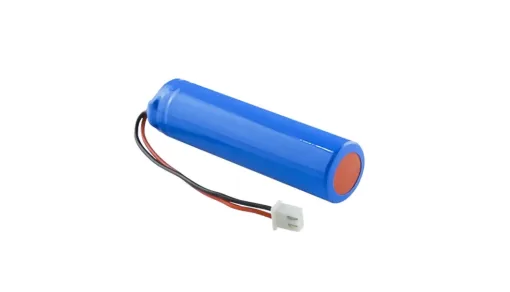
Cells: Made of 1pcs 3.6V 18650 2900mAh high-temperature cells.
Advantages: Long-term stable operation in environments from -5°C to 50°C
Lifespan: 500 cycles remaining 80% capacity.
3.6V 5800mAh High Temperature Battery Pack for IOT Sensors
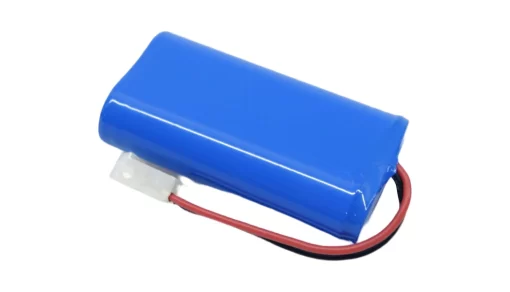
Cells: 1S2P 18650 3.6V 5800mAh high-temperature lithium cells.
Temperature Range: From -12°C~55°C.
Custom Shapes and Sizes: Tailored to fit any device.
3.6V 8700mAh High Temperature Battery Pack for IOT Components
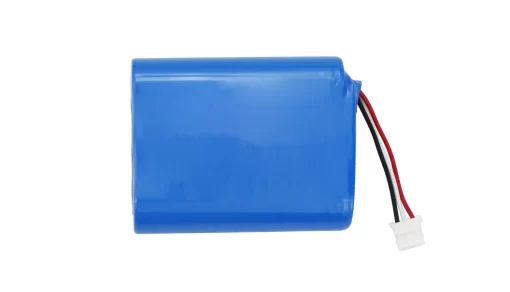
Cells: Made of 3pcs 3.6V 18650 2900mAh high-temperature cells.
Temperature Range: -40°C to 85°C.
Lifespan: 300 cycles remaining 70% capacity.
3.6V 11600mAh High Temperature Battery for IOT Sensors
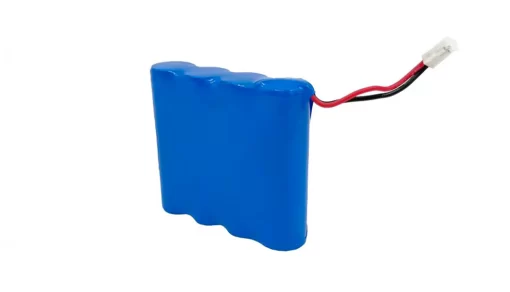
Cells: Made of 4pcs 3.6V 18650 2900mAh high-temperature cells.
Advantages: Operates seamlessly in environments up to 85°C.
Delivers higher discharge and charge currents.
7.2V 2900mAh High Temperature Battery Pack for Outdoor IOT Devices
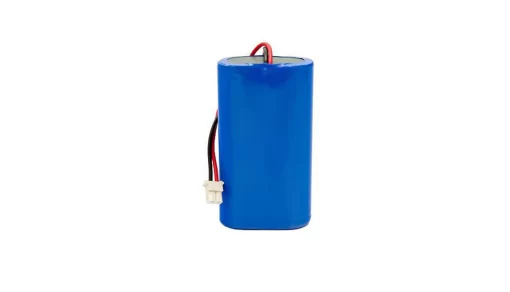
Cells: 2S1P 18650 7.2V 2900mAh high-temperature lithium cells.
Temperature Range: From -40°C to 85°C.
Custom Shapes and Sizes: Tailored to fit any device.
Long-Cycle High Temperature LiFePO4 Batteries
For outdoor IoT systems that need longer cycle life, strong thermal stability, and a safer chemistry option for elevated-temperature operation.
3.2V 1600mAh LiFePO4 High Temperature Battery Pack for IoT/Outdoor Systems
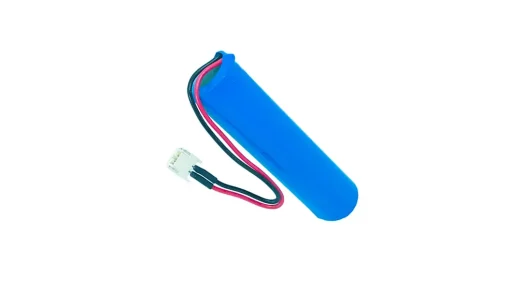
Cell configuration: 1S1P, using LiFePO4 18650 cells, each rated at 3.2V with a capacity of 1600mAh
Operation temp range:-30℃~70℃
Long Cycle life:Over 2000 times
Warranty Year:5~8 years
Application: IoT/Outdoor systems
3.2V 4000mAh LiFePO4 Rechargeable High Temp Battery Pack
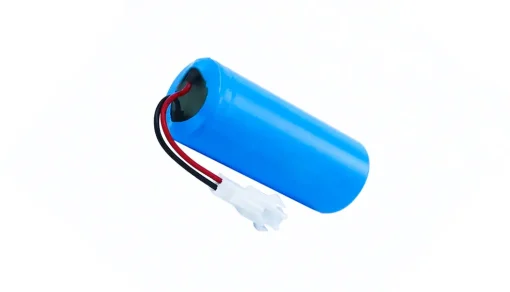
Cell configuration: 1S1P, using LiFePO4 26650 cells, each rated at 3.2V with a capacity of 4000mAh.
Operation temp range:-30℃~70℃
Cycles: Over 2000 times
Lightweight:110G
Compact Dimension: 28.5*69 (mm)
Waterproof High Temperature Battery Packs
For sealed enclosures, outdoor monitoring, and high-humidity environments where both waterproofing and heat-resistant pack construction matter.
3.6V 8700mAh High Temperature Lithium Ion Battery Pack
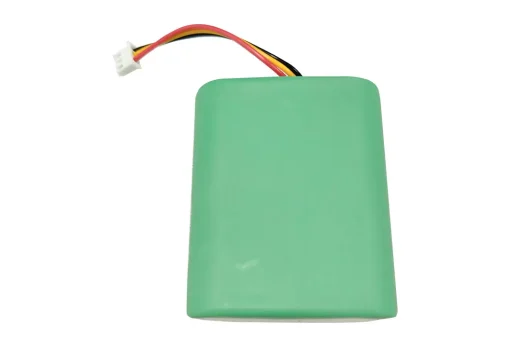 Cells:3pcs 3.6V 18650 2900mAh high temperature li ion cell
Packed by busbar film which is thick, highly heat-resistant from -55℃~125℃
Add white waterproof glue for IP67
Drop-In High Temperature Battery Replacements
For teams replacing NiMH AA cells or compact 14500 packs with higher-temperature lithium-ion batteries without redesigning the full device.
3.6V 750mAh AA 14500 Li-ion Battery
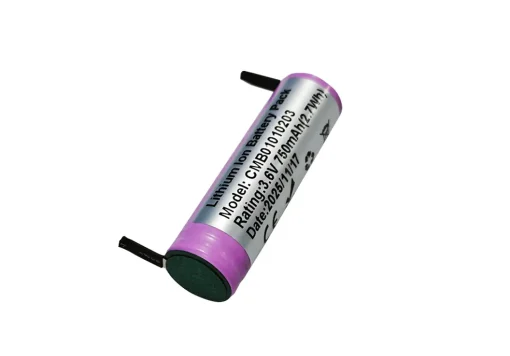 Drop-in Li-ion replacement (AA size) to seamlessly fit existing NiMH housings
5C continuous high discharge rate
Discharge from -40℃ to +85℃
Deliver 3–5× longer lifespan than NiMH batteries
7.2V 750mAh High temperature 14500 Battery Pack
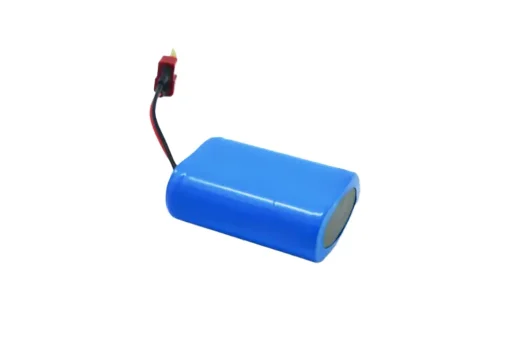 Cells: 2S1P, made of two 3.6V 750mAh 14500 cells connected in series
Operation temp range: -20℃ to +60℃
Built-in PCB for charge/discharge safety
Application: medical sensors, transmitters, wireless communication modules
What Makes a High Temperature
Lithium Ion Battery Pack Perform at 85°C
Current high temperature battery technology requires four things working together: cell chemistry, BMS thermal strategy, pack construction, and enclosure thermal interface design. A high temperature resistant battery pack isn’t defined by its cell rating alone — it’s defined by how those four components are engineered to perform as a system. Here’s how CMB controls each one.
The High Temperature Battery Technology That Makes 85°C Reliable: BMS Configuration
At 85°C, a standard BMS triggers over-temperature shutdown before your application even reaches operating conditions. That’s not only a cell problem — it’s also a configuration problem.
A high temperature Li-ion battery pack works reliably at 85°C only when two conditions are met simultaneously:
-
-
- 1.The cells are designed for high-temperature chemistry — high-temperature electrolyte, ceramic-coated separator, and heat-resistant tabs. CMB’s heat-resistant battery, for example, maintains a 1C discharge rate even at 85°C, enabled by this chemistry.

-
-
- 2. The BMS is properly tuned for that environment — and at CMB, our engineering team has already designed hundreds of custom high temperature solutions for harsh outdoor environments.
-
Without #1, the BMS cannot fix chemistry failure. Without #2, even the best cell will shut down prematurely.
For the BMS specifically, four configuration levers are critical at 85°C:
CUTOFF THRESHOLDAdjustable — typically set 88–90°C
CHARGE LIMITINGCurrent tapering begins at 75°C
TEMPERATURE SENSINGMulti-point NTC sensors within pack
THERMAL BALANCINGTIM selection + cell arrangement
One often-overlooked requirement:
the BMS hardware itself must be built with high-temperature-grade components, such as 105°C/125°C rated capacitors, thick copper PCB design, and avoiding electrolytic capacitors where possible. Otherwise, the BMS may age faster than the cells it is designed to protect.“An off-the-shelf ‘li-ion battery for high temperature use’ is not the same as a high temperature battery pack solution — and the difference lives largely in BMS engineering, but only when paired with the right cell chemistry, proven experience, and manufacturing discipline.”
-
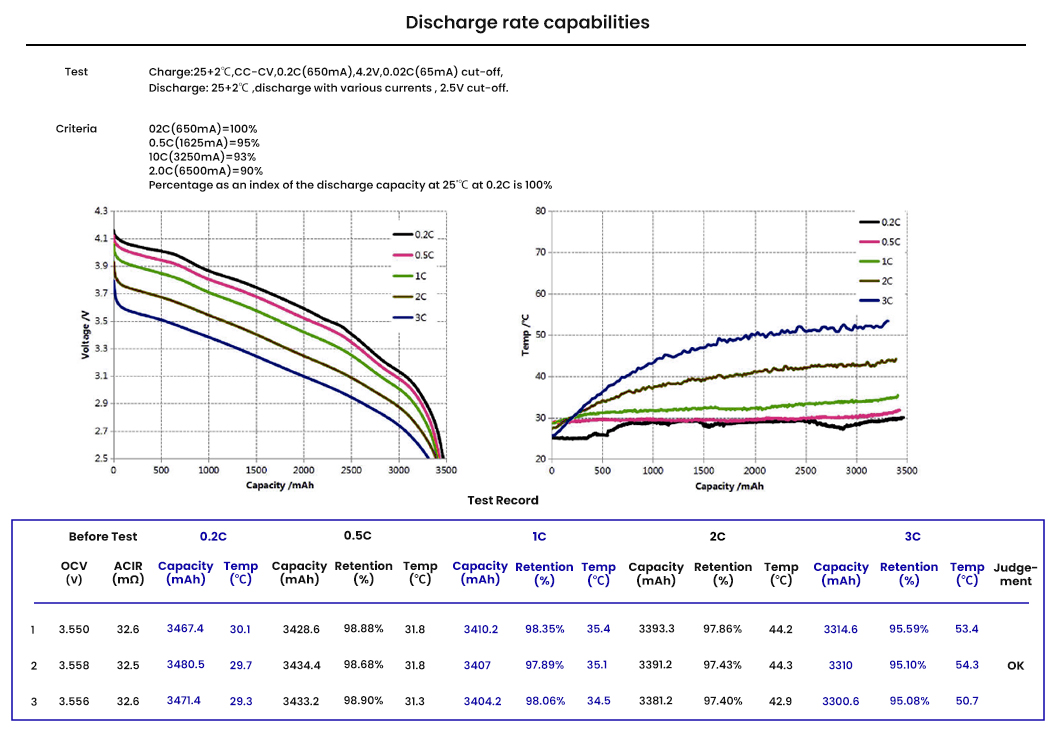
The High Temp Battery Cycle Life Test Procedure (25℃ 0.5C Charge, 85℃ 1C Discharge)

Step 1: Charge at 25℃
Temp:25℃ ± 2℃ ; Mode: CC/CV ;
Current:0.5C (1625mA); Voltage:4.2V; Cut-off:0.05C (162.5mA)Rest
Time:180 (min)
Step 2 : Discharge at 85℃
Temp:85℃ ± 2℃; Mode: CC
Current:1C (3250mA); Cut-off Voltage:2.5VRest
Time:300 (min)
1 Cycle Done
Cycle life termination?(Capacity ≤ 80% initial)
Yes–Test End; No–Back to Step 1




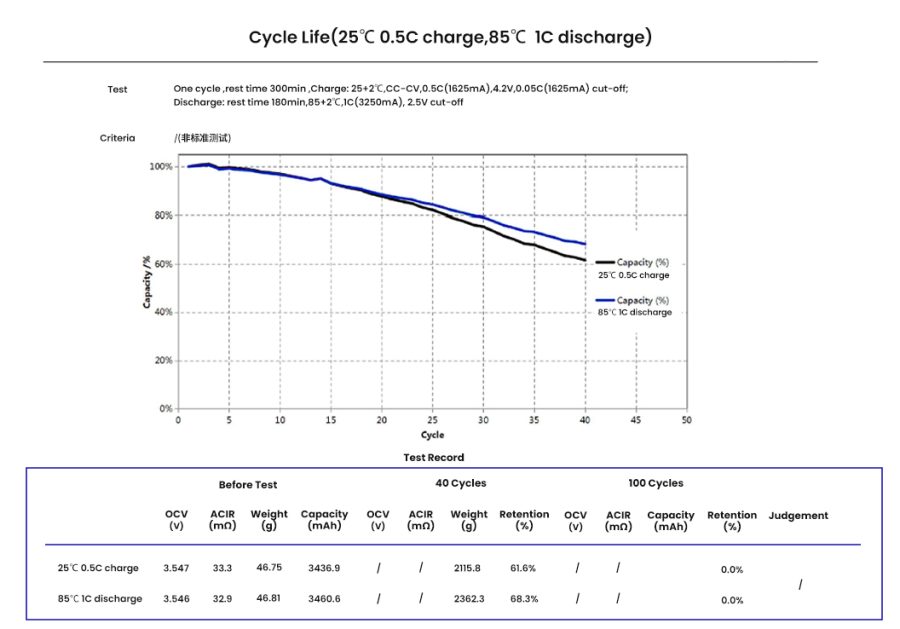
Technical Articles Related To High Temperature Batteries


High Temperature Rechargeable Lithium Battery Pack FAQ
What size are your high temperature batteries?
We have the capability to design custom high temperature batteries in a range of shapes, sizes, and capacities to suit the specific needs of you and your equipment.
What's the best battery for high temperature applications up to 85°C?
For continuous 85°C operation, the best battery for high temperature use is a cylindrical Li-ion cell — 18650 or 21700 format — with high-temperature electrolyte formulation. These outperform LFP (lithium iron phosphate) and polymer pouch cells in sustained heat environments. But cell chemistry is only half the answer. BMS configuration and thermal management determine whether performance holds after 500 cycles. A correctly engineered high temperature lithium battery pack retains 80% capacity after 500+ cycles at 85°C.
What certifications are required to ship battery packs to Germany, France, or the US?
UN38.3 is mandatory for all international Li-ion shipments — a legal requirement under IATA (air freight) and IMDG (sea freight) regulations. EU market access additionally requires alignment with EU Battery Regulation 2023/1542 and CE marking where required by product category. US applications typically need UL listing or UN38.3 compliance, depending on application type. CMB maintains UN38.3 documentation for all standard configurations, available to qualified buyers on request.
What if my operating temperature is higher than 85°C?
If your operating temperature is higher than 85°C, our Chief Technology Officer will evaluate your specific needs and design a custom battery pack to meet your equipment’s operating requirements.
How does sustained heat affect lithium-ion battery lifespan?
Temperature is the single largest driver of lithium battery high temperature degradation — more than charge cycles alone.
At 25°C (standard): 500–800 cycles to 80% capacity retention
At 60°C continuous: roughly 200–300 cycles
At 85°C, without high-temp design: as few as 50–100 cycles
CMB’s lithium ion battery high temperature packs sustain 500+ cycles at 85°C — matching standard-temperature performance at a 60°C higher operating point — through combined cell selection, electrolyte formulation, and BMS thermal limiting. A li-ion battery at high temperature doesn’t have to degrade fast. It has to be engineered not to.
How long is your production/delivery lead time for your high temperature battery packs?
For battery samples, if we have the desired battery or a compatible battery in stock, the delivery time is generally 4-7 days. If we don’t have the desired battery in stock, we require 2-3 weeks for production. Mass production generally takes 30 days (without stock). If there are enough batteries in stock, it will take about 1-2 weeks to fulfill an order.
Why do outdoor IoT batteries fail even when ambient temperature seems safe?
This is the most underestimated failure mode in outdoor IoT deployments. A sealed enclosure in direct sunlight at 38°C ambient reaches 55–70°C internally within 30–60 minutes — because electronics generate heat with nowhere to go. A battery rated at 60°C is already at its ceiling before factoring in humidity, which independently accelerates electrolyte degradation.
The rule engineers miss: always specify battery operating temperature for the enclosure’s internal temperature — not the ambient air outside it. That gap is typically 15–25°C under real field conditions. A device “safe” at 38°C ambient may be running its battery at 63°C or more.
Can I build a high-temperature pack by pairing a high-temp cell with a standard BMS?
Technically possible — but a standard BMS rated −20°C to 60°C will trigger over-temperature shutdown before your application reaches operating conditions at 70–85°C. The cell isn’t the failure point. The BMS is.
A true 85°C pack needs three BMS requirements met simultaneously:
1. Adjusted cutoff thresholds (standard 60°C ceiling → configured 88–90°C)
2. Current tapering at elevated temperatures to protect cell longevity
3. Multi-point NTC temperature sensing across the pack
Without all three, even the best high temperature Li-ion battery will either shut down prematurely or degrade rapidly. This is why a cell swap alone won’t solve a high-temperature application problem.
Tailored Customization
Our design team can create custom battery designs for just about any device or machine.
Timely Delivery
Our efficient production and distribution process gets your product delivered in a timely manner.
Quality Guarantee
We stand by our products and guarantee you’ll be happy with your purchase.