
Custom AGV Battery Packs and AMR Lithium Batteries, Built Around Your Vehicle
CM Batteries designs and manufactures custom AGV battery packs and AMR lithium batteries for AGV and AMR manufacturers, robot integrators and fleet operators. Each battery pack is built to your battery bay, fleet software and shift pattern, in NMC, LiFePO4 or LTO, with a CAN 2.0B or RS485 BMS and hot-swap, dock or wireless charging.
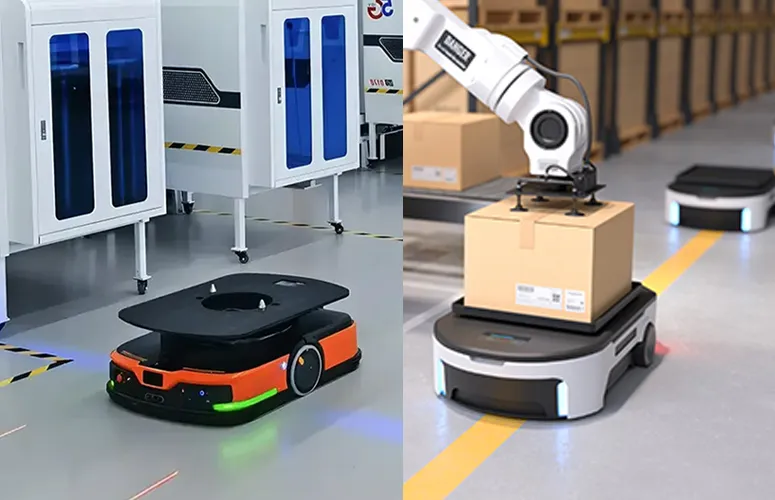
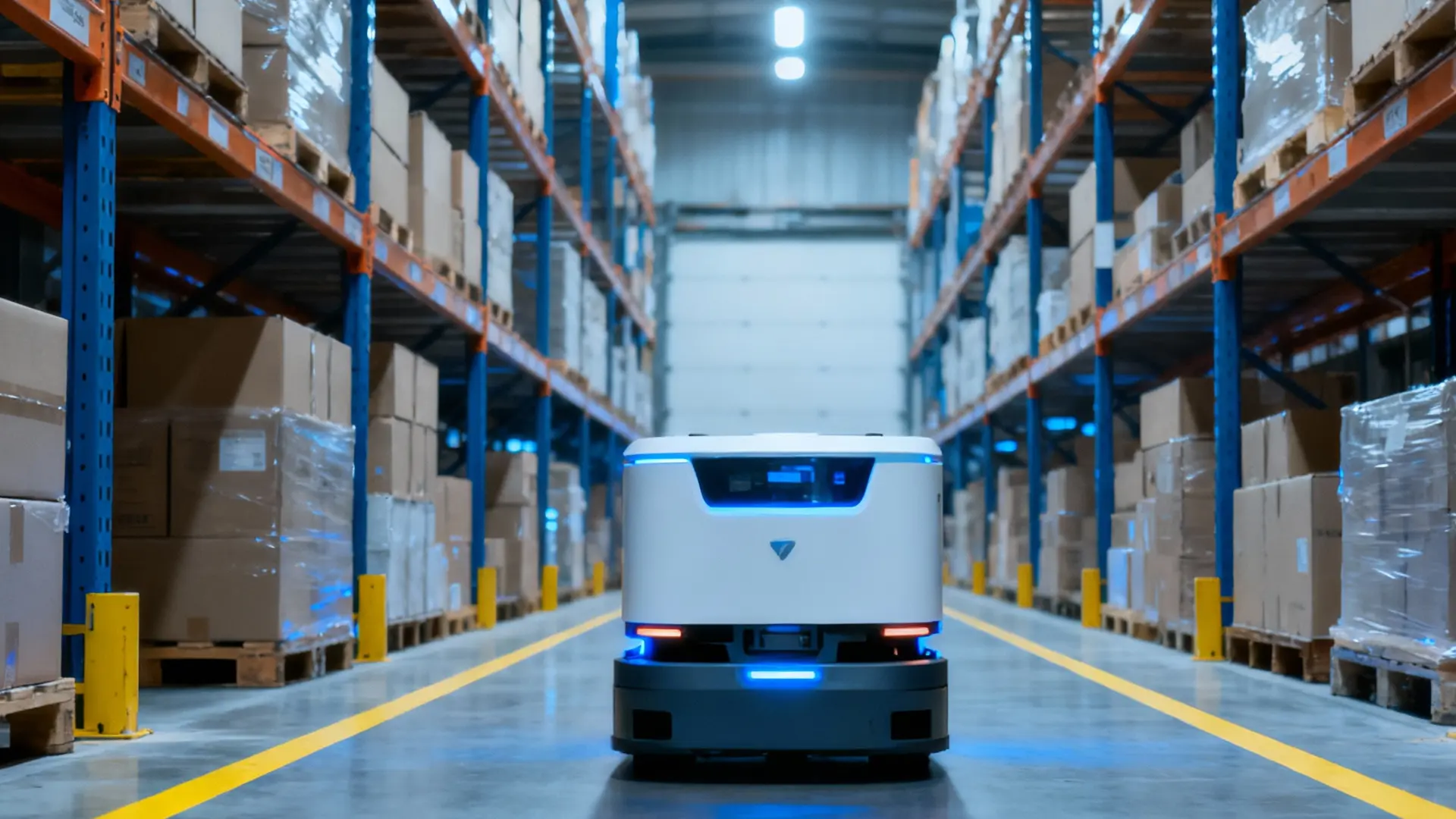
An automated guided vehicle (AGV) follows fixed routes, and an autonomous mobile robot (AMR) re-plans its route on the fly. Because both depend on the battery for uptime, a pack that cannot follow the duty cycle, or that keeps the vehicle parked on a charger, takes it off the floor. That is why our battery packs are built for vehicles in warehouses, logistics hubs and manufacturing workshops.
AGV & AMR BATTERY PACKS AT A GLANCE
VOLTAGE
12V–48V typical (24V most common) · custom 3.6V–120V
CHEMISTRY
NMC, LiFePO4 (LFP), LTO · semi-solid and solid-state on request
CELL FORMAT
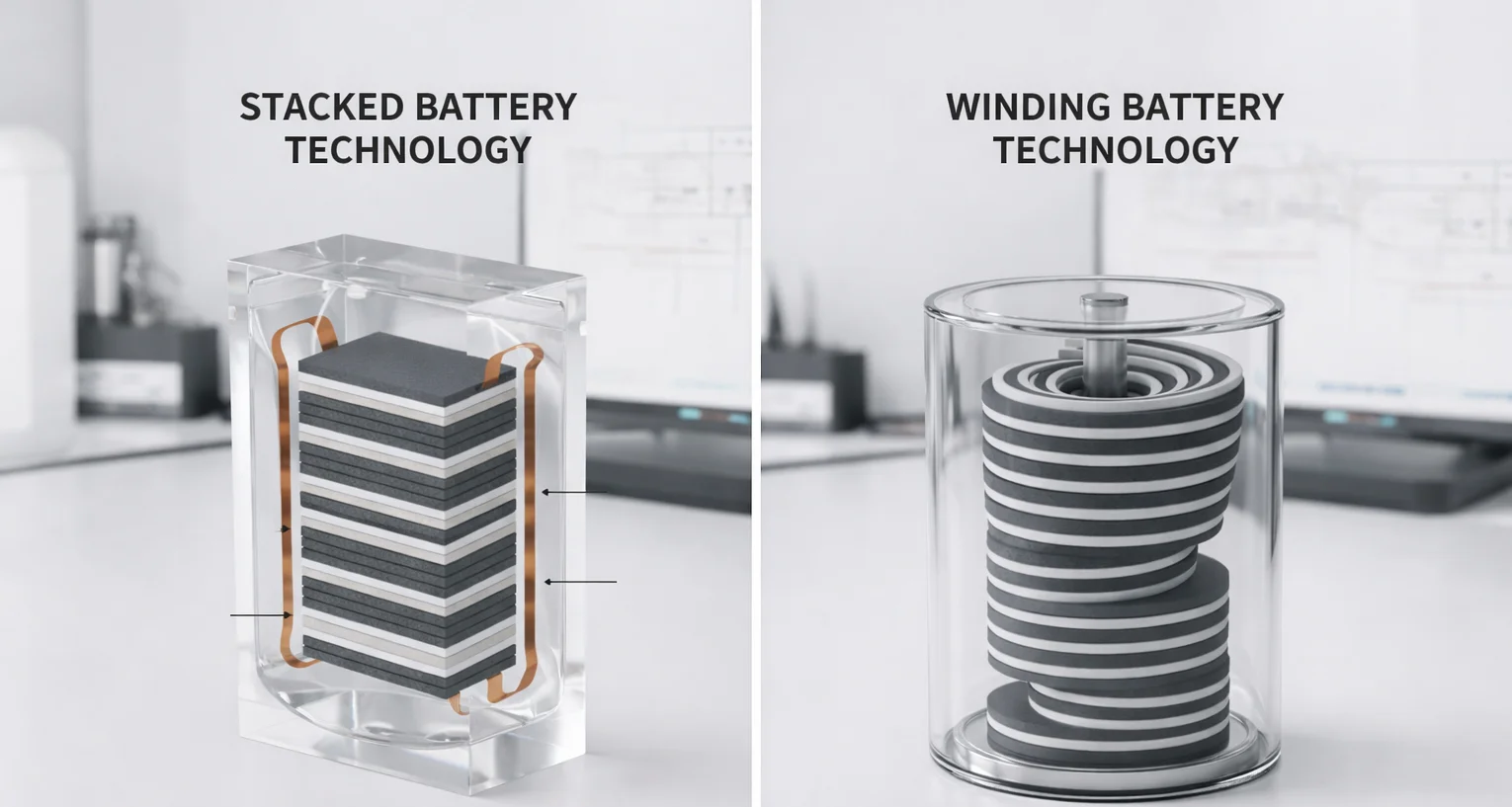
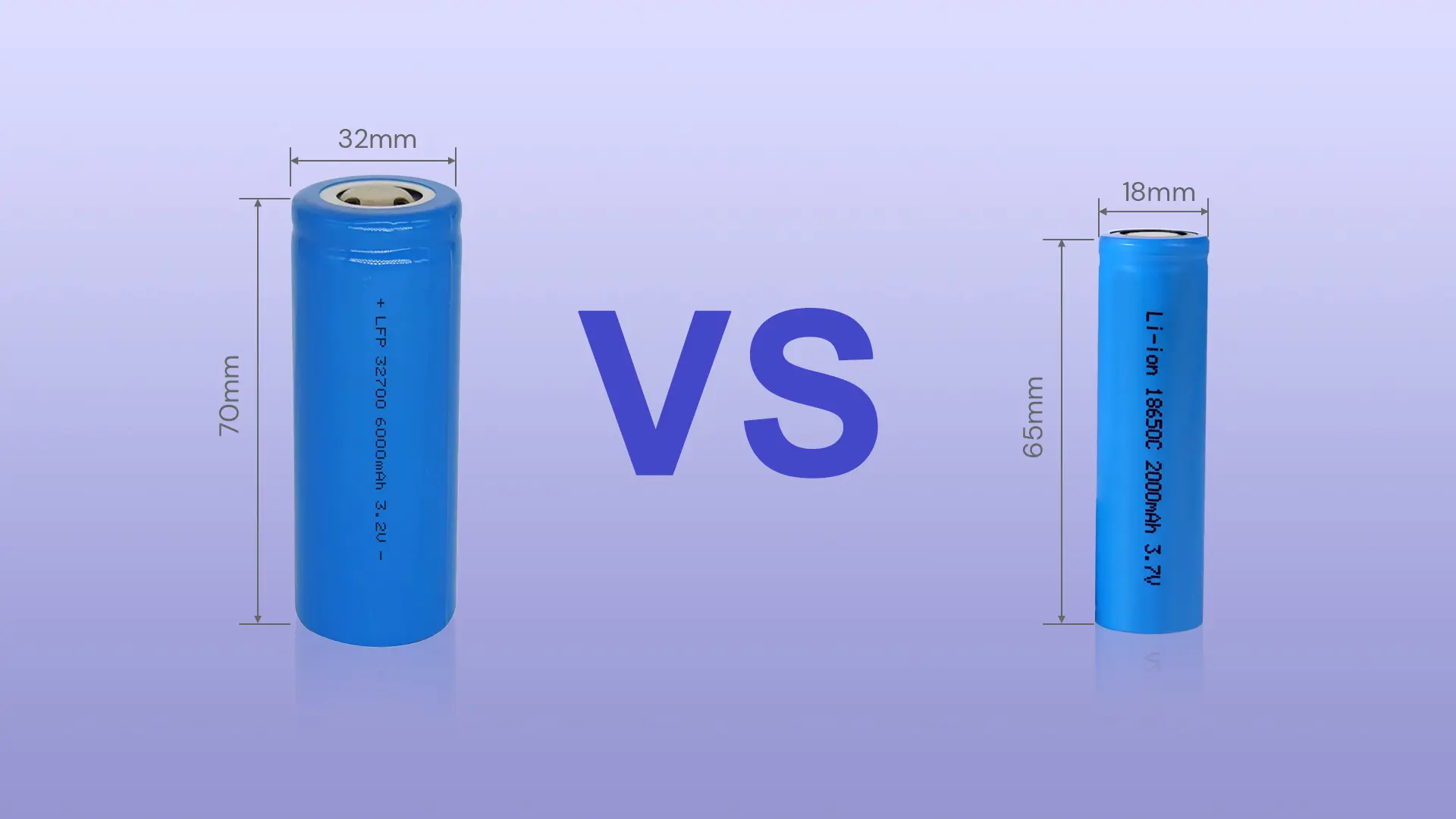
Prismatic or 21700 cells, laid out to your battery bay
BMS COMMUNICATION
CAN 2.0B or RS485, reporting SOC, SOH and faults
CHARGING
Hot-swap, dock and opportunity charging, wireless on request
PROTECTION
IP67 or IP68 sealed enclosure options
MORE DETAILS BELOW ↓
Custom AGV Battery Pack Manufacturer: Delivered AGV and AMR Batteries

25.2V 50Ah 7S10P 21700 Battery Pack for AGV / Robot
Challenge
A fixed AGV battery bay leaves no room to grow, but the vehicle still needs more capacity per charge.
Solution
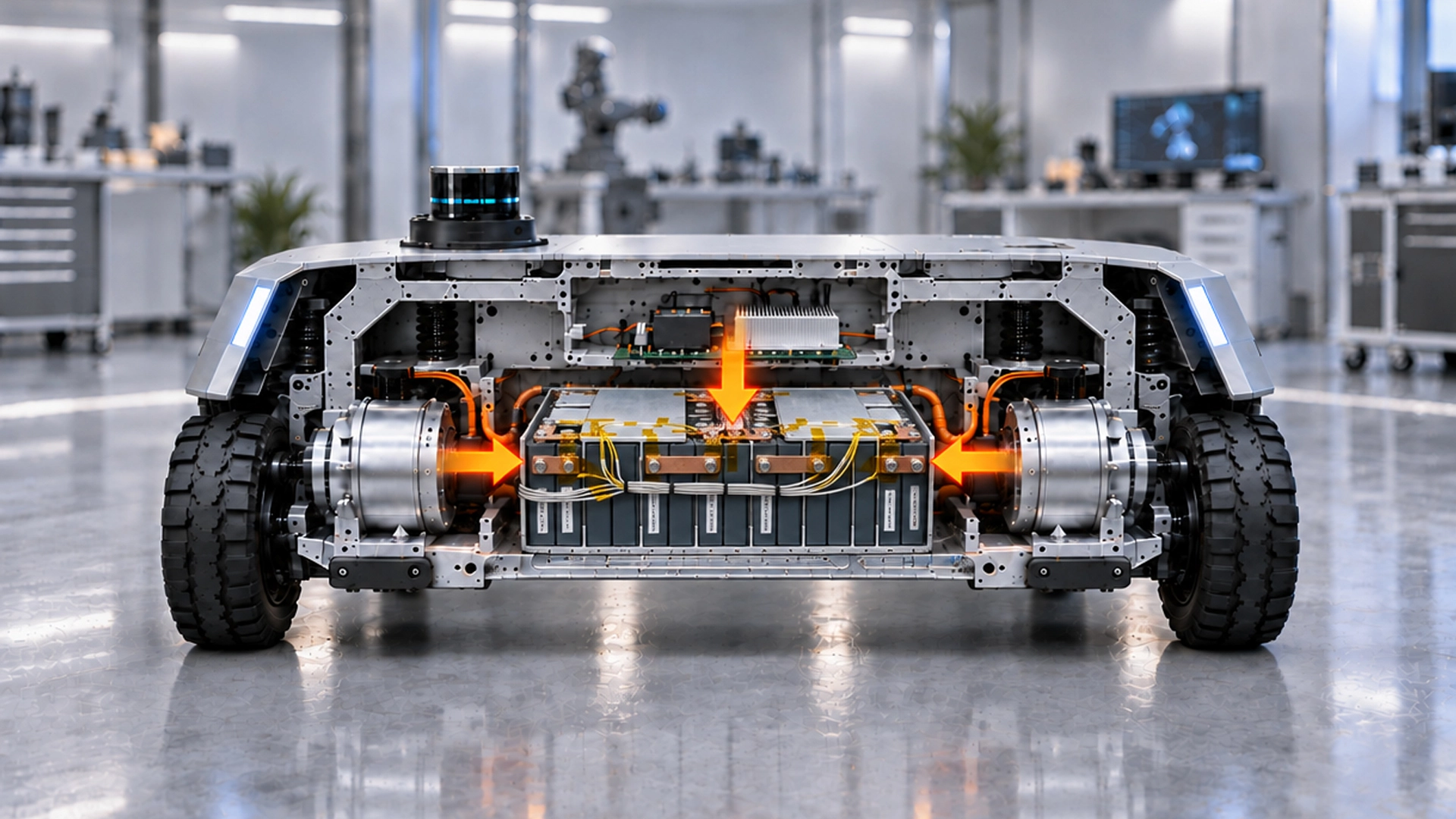
21700 cells laid out as a 7S10P block to fit the bay, with 50Ah built from parallel strings and RS485 reporting to the vehicle controller.
Result
1,260 Wh nominal, rated for 1,000 cycles at 80% DoD.

26.18V 59Ah 7S1P IP68 Prismatic Battery Pack for Warehouse Logistics Robots
Challenge
Warehouse logistics robots work on floors where dust and water can reach the pack.
Solution
A sealed IP68 enclosure around seven prismatic EVE 59Ah NMC cells (7S1P), with RS485 communication.
Result
About 1,545 Wh nominal, rated for 1,500 cycles at 80% DoD in a sealed pack.

48V 55Ah Prismatic Battery Pack for Robots / UAVs
Challenge
Robots and UAVs working outdoors face hot and cold swings, and every kilogram cuts endurance.
Solution
A 48V 55Ah prismatic NMC pack at 12.3 kg that charges at −20°C to 55°C and discharges at −30°C to 55°C, with RS485 communication.
Result
2,640 Wh nominal, rated for 2,000 cycles at 80% DoD.
AGV and AMR Battery FAQs
Should an AGV use a lead-acid or a lithium battery?
For most fleets, lithium. An AGV lithium battery accepts opportunity charging between tasks, needs no watering or equalizing, and can be cycled deeper than lead-acid, so fewer packs cover the same work. Lead-acid has a lower purchase price, but its maintenance, slower charging and shorter cycle life usually raise the cost per operating hour. Compare options on total cost of ownership over the vehicle’s service life, not on price per pack.
How do I size the battery capacity for an AGV?
AGV battery capacity (Ah) is roughly average current × runtime between charges ÷ usable depth of discharge, then add margin for peak current, cell aging and temperature. For example, a 24V vehicle drawing 15A on average for 6 hours with 80% usable depth of discharge needs about 112Ah before margin, which is roughly 2.7kWh at 24V. Our Battery Pack Configuration Calculator gives a first estimate.
What is the difference between AGV and AMR battery requirements?
An AGV follows fixed routes, so its load profile is predictable and the pack can be sized tightly around it. An AMR re-plans its route, so current draw varies more and fleet software depends more on live pack data such as SOC and SOH. We size AGV packs around a stable duty cycle and an AMR battery around variable loads and richer BMS reporting.
How long does an AGV battery last?
Life is counted in cycles to 80% of initial capacity and depends on chemistry, depth of discharge, charge and discharge rate and temperature. As a general guide, NMC packs reach roughly 1,000 to 2,000 cycles and LiFePO4 packs 2,000 to 3,000 or more under moderate conditions. For a fleet decision, ask for test data at your own duty cycle and plan replacement packs into the vehicle’s service life.
Can a lithium pack replace the lead-acid battery in our existing AGVs?
Usually, if the pack matches the battery bay, the voltage window and the connector, and the BMS communicates with the vehicle controller. Check the charger as well: lead-acid charge profiles differ from lithium, so we either match the BMS charge limits to your existing charger or supply a custom charger. Send the bay drawing and the charger model for a first review.
Tailored Customization
Our design team can create custom battery designs for just about any device or machine.
Timely Delivery
Our efficient production and distribution process gets your product delivered in a timely manner.
Quality Guarantee
We stand by our products and guarantee you’ll be happy with your purchase.