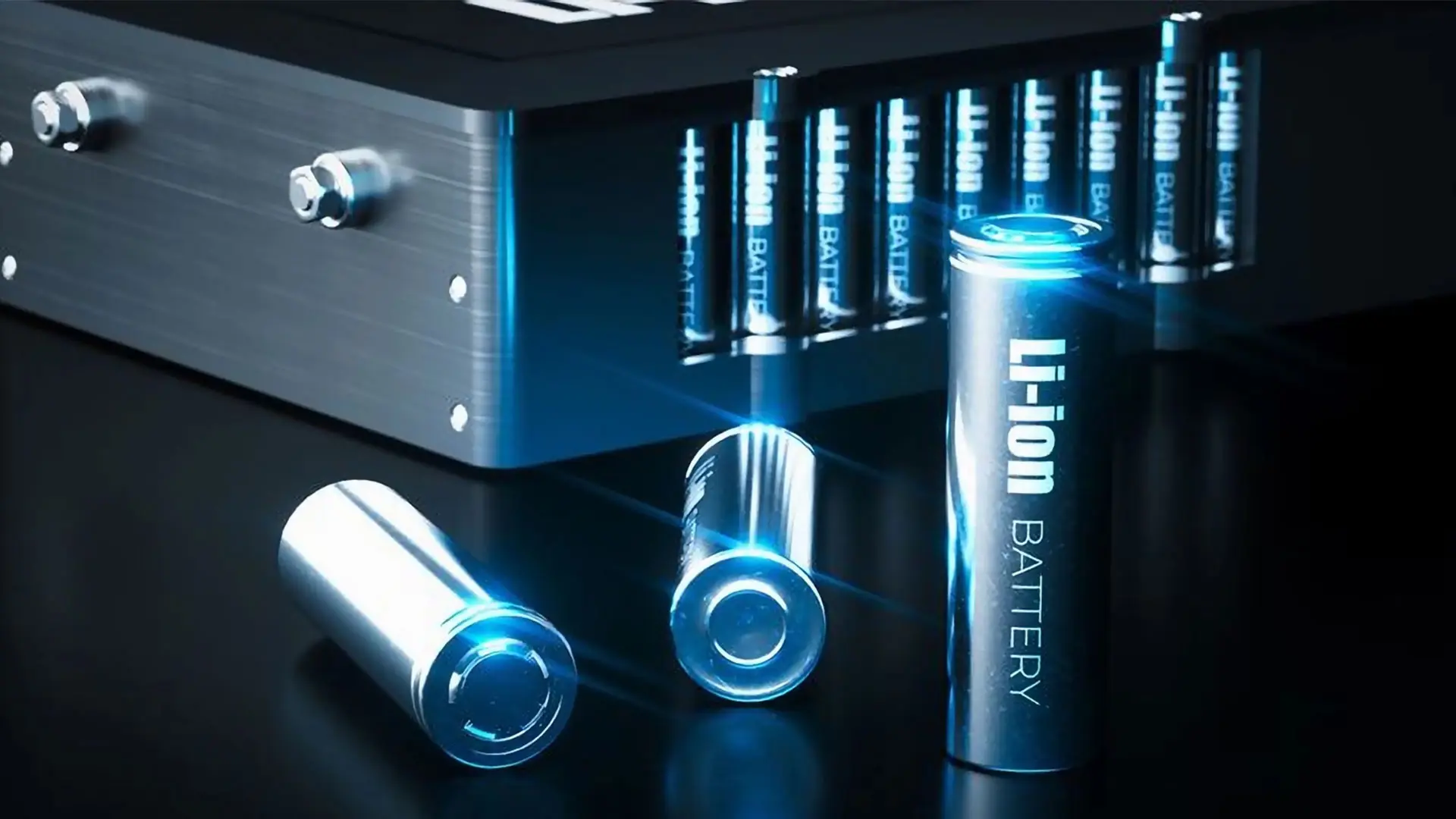
There are primarily use two chemistry for electric car battery types: LFP (lithium iron phosphate batteries) and NCM/NCA (ternary lithium ion batteries). LFP wins on safety, cycle life (3,000–5,000 cycles), and cost (~$80–90/kWh). NCM/NCA wins on energy density, fast charging, and cold-weather range. For cell shape, prismatic is dominant in China, cylindrical (18650/21700/4680) powers Tesla’s long-range models, and pouch cells appear in select premium EVs.
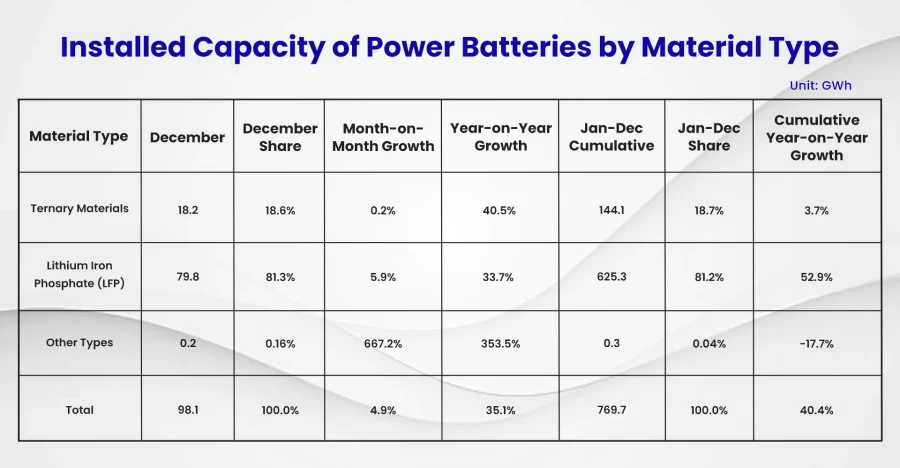
In 2025, LFP held 79.8% of China’s EV battery market by installed capacity. Sodium-ion and solid-state are the two next-generation chemistries to watch — one is already in mass production, the other is not yet.
This guide explains the most common electric car battery types, compares their safety, cost, energy density, lifespan, and cold-weather performance, and explores emerging battery pack technologies that may shape the future of electric mobility.
What Are the Main Types of Batteries do Electric Cars Use?
Early electric vehicles relied on lead-acid batteries — heavy, low energy density, and limited to a few hundred cycles. However, the transition to lithium-ion technology completely transformed the EV industry, making longer driving ranges and practical daily use possible.
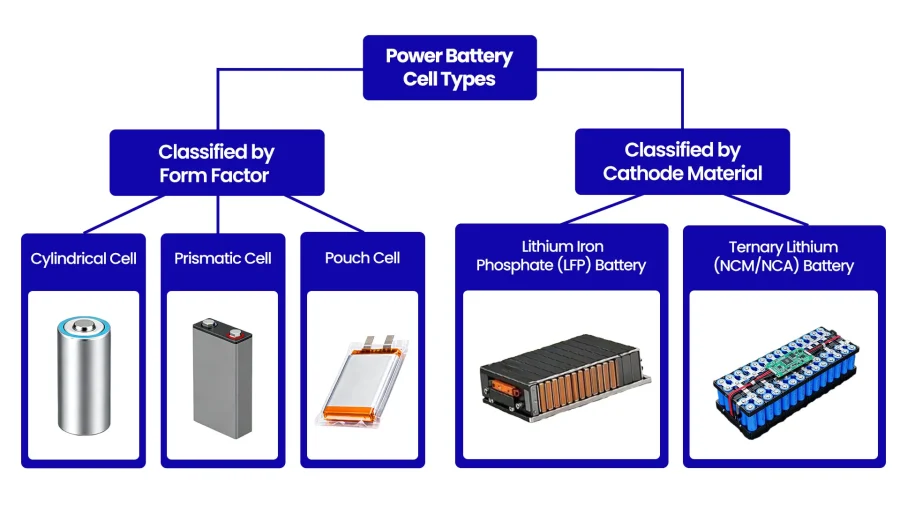
Today, EV batteries are generally classified in two ways: by chemistry and by cell shape.
When people search for battery types for electric cars, they are usually referring to either the battery chemistry (the electrochemical materials inside the cells) or the cell shape (the physical structure used to build the battery pack). While both factors are important, chemistry has a much greater impact on vehicle performance.
Specifically, battery chemistry influences energy density, thermal stability, cycle life, charging speed, and cold-weather performance. Cell format, on the other hand, affects manufacturing efficiency, heat dissipation, packaging flexibility, and overall battery pack design.
In practice, nearly every mass-produced electric vehicle today uses a lithium-ion battery. Among all lithium-ion technologies, two chemistries dominate the global EV market:
- LFP (LiFePO₄ — Lithium Iron Phosphate): LFP batteries are widely recognized for their excellent safety, long cycle life, and relatively low material cost. In addition, they offer superior thermal stability, with thermal runaway typically occurring at approximately 240–250°C. For this reason, LFP has become the preferred choice for many entry-level and standard-range EVs.
- NCM/NCA (Nickel Cobalt Manganese / Nickel Cobalt Aluminum): Higher energy density(also referred to as ternary lithium or NMC in international literature), better fast-charge capability, superior low-temperature performance. Thermal runaway threshold at ~160°C.
Beyond chemistry selection, automakers and battery integrators must carefully engineer the battery pack itself. Cell arrangement, thermal management systems, BMS design, enclosure protection, and safety certifications all influence real-world performance. For example, many EV manufacturers work with custom battery pack developers to optimize battery architecture for specific vehicle platforms, performance targets, and environmental requirements.
Overall, LFP and NCM/NCA remain the only lithium battery chemistries produced at large scale for mainstream electric vehicles today. Therefore, understanding the strengths and trade-offs of each technology is essential when evaluating different EV battery options.
LFP vs. NCM/NCA — Which Is Better Types of Electric Car Batteries?
Neither is universally better. Each chemistry dominates a different use case.
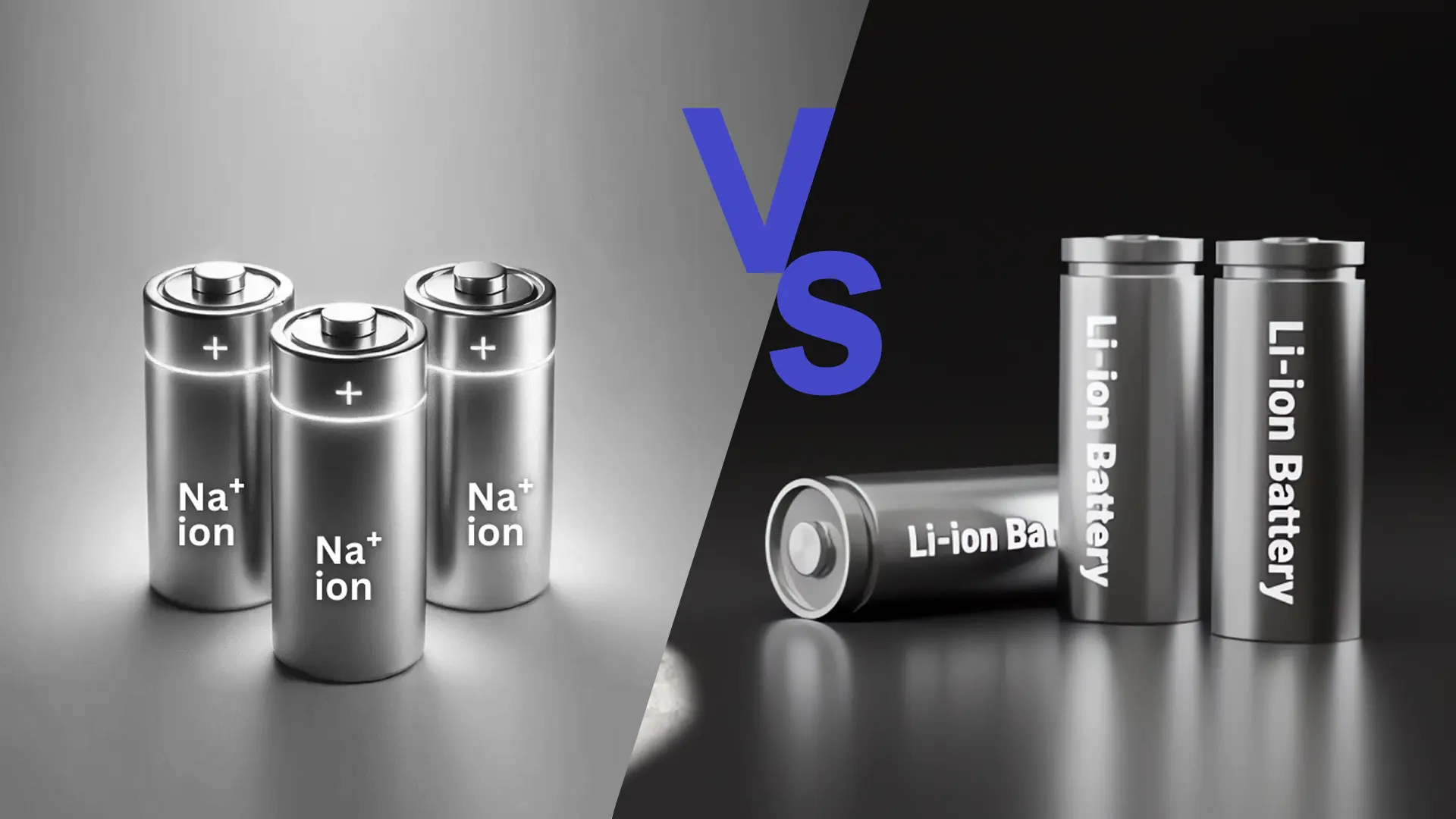
While both battery chemistries are based on lithium-ion technology, their strengths differ significantly. Therefore, the best choice depends on how the vehicle will be used. The following comparison highlights the most important differences in safety, energy density, charging performance, lifespan, cost, and cold-weather operation.
| Specification | LFP (Lithium Iron Phosphate) | NCM/NCA (Ternary Lithium) |
| Nominal cell voltage | 3.2–3.3 V | 3.6–3.7 V |
| Energy density | 150–180 Wh/kg | 210–300 Wh/kg |
| Max charge rate | 1–2C | 2–4C |
| Cycle life | 3,000–5,000 cycles (8–15 yrs) | 1,500–2,500 cycles (6–8 yrs) |
| Cost | ~$80–90/kWh | ~$100–120/kWh |
| Thermal runaway temp | 240–250°C | ~160°C |
| Capacity retention at −10°C | 60–70% | 75–85% |
| Representative EVs | Tesla Standard Range, BYD (Blade) | Tesla Long Range, BMW i4, NIO models |
In summary, if safety, longevity, and low cost are your priorities, LFP is the better choice. If you need maximum range, fast charging, or regularly drive in sub-zero temperatures, NCM/NCA delivers a meaningful edge — making it the best type of car battery for cold climates.
What Are the Three Cell Shapes Used in Electric Car Batteries?
The three shapes are cylindrical, prismatic, and pouch — they differ in packaging efficiency, thermal management, and manufacturing cost.
Cell chemistry and cell shape are independent variables. The same LFP chemistry can come in a cylindrical, prismatic, or pouch format. Here is how the three shapes compare:
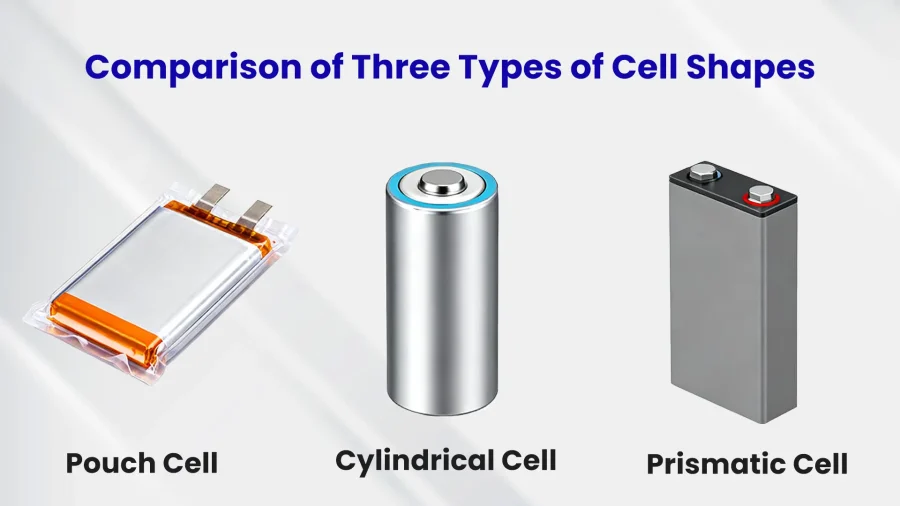
1. Cylindrical cells
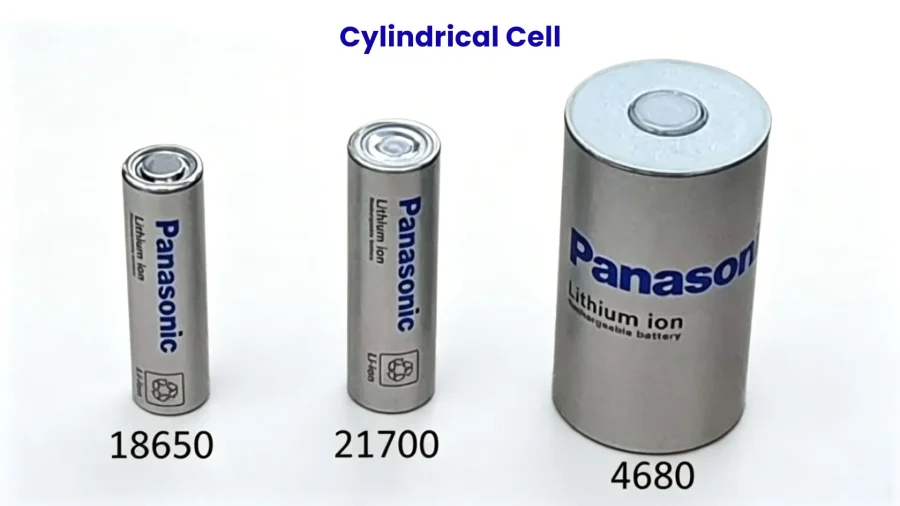
The format most people recognize from household AA/AAA batteries, scaled up for EV use.
Key sizes: 18650 (18 mm diameter × 65 mm height), 21700, and 4680.
Advantages: mature manufacturing, high consistency, good thermal properties.
Disadvantages: low volumetric efficiency (gaps between round cells waste pack space), and the large cell count demands a very precise BMS. Tesla’s long-range models continue to use 21700 cylindrical cells; the 4680 format is Tesla’s next-generation large cylindrical cell.
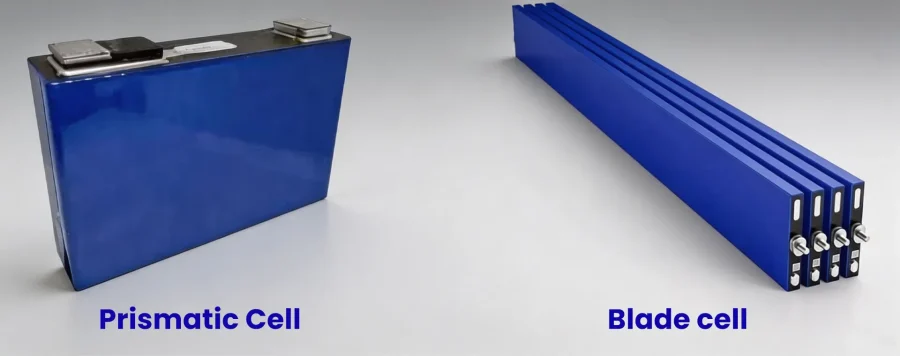
2. Prismatic cells (including BYD Blade)
The most common cell format in Chinese EVs today. Flat rectangular shape allows face-to-face stacking with far higher volumetric efficiency than cylindrical. BYD’s Blade cell is an ultra-thin elongated prismatic variant that further improves pack-level energy density by reducing inter-cell gaps.
Disadvantage: individual cell thermal management is more demanding, requiring a more sophisticated thermal system at the module or pack level.
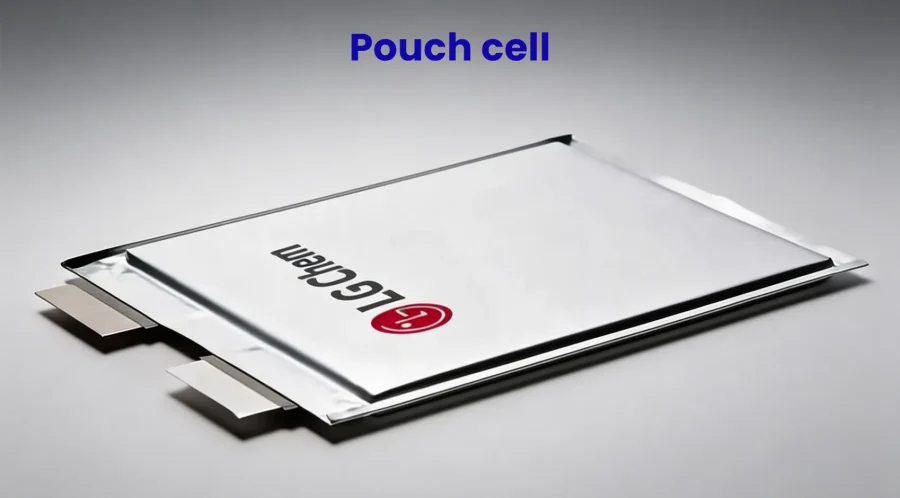
3. Pouch cells
Soft aluminum-plastic film packaging, using a stacked (laminated) jelly-roll rather than wound.
Advantages: lightest weight, highest energy density of the three formats, and when thermal runaway does occur, the pouch typically bulges and vents rather than rupturing explosively.
Disadvantages: lower cell-to-cell consistency, higher cost, and structurally softer — requiring more robust external support structures. Currently found mainly in select premium or long-range models.
This weight advantage translates directly to a higher power-to-weight ratio at the pack level — a key reason pouch cells are favored in performance-oriented and long-range premium EVs where every kilogram of battery weight carries a range cost.
Which EV Battery Type Do the Major Models Use?
Three main chemistry-plus-shape pairings dominate the market today.
| Combination | Representative Models | Core Strengths | Core Weaknesses |
| LFP + Prismatic | Tesla Standard Range, BYD (Blade) | High safety, long cycle life, low manufacturing cost | Lower energy density, cold-weather range loss |
| NCM/NCA + Prismatic | NIO, Xpeng, Li Auto (select models) | High energy density, fast charge, good low-temp performance | Higher cost, lower thermal stability |
| NCM/NCA + Cylindrical | Tesla Long Range | Excellent cell consistency, mature process | Low volumetric efficiency, high cell count increases BMS complexity |
LFP + Prismatic — Best for cost-sensitive, city-use, warm-climate applications. Examples: Tesla Standard Range, all BYD models. Core advantage: outstanding safety and cycle life at the lowest cost per kWh. Core limitation: range drops noticeably below −10°C.
NCM/NCA + Prismatic — Best for long-range, fast-charge, cold-climate applications. Examples: NIO, Xpeng, Li Auto (some models). Core advantage: highest energy density in a production-scalable form. Core limitation: higher cost and slightly lower thermal stability than LFP.
NCM/NCA + Cylindrical — Still used by Tesla Long Range. The advantage is cell-level consistency and mature manufacturing. The disadvantage is lower pack space utilization and a demanding BMS requirement to manage thousands of individual cells.
For hybrid car battery types, nickel-metal hydride (NiMH) was historically common in HEVs (Toyota Prius Gen 1–3), but modern hybrids increasingly use smaller lithium-ion packs — either LFP or NCM depending on the price tier.
Plug-in hybrid electric vehicles (PHEVs) represent a distinct category: they pair a smaller lithium-ion pack — typically 8–20 kWh — with an internal combustion engine. PHEVs almost exclusively use NCM/NCA chemistry to maximize energy density within a constrained pack size, enabling meaningful all-electric range without the weight penalty of a full BEV battery.
According to the China Automotive Battery Innovation Alliance’s 2025 Power Battery Report, LFP accounted for 79.8% of installed EV battery capacity in China from January through December — ternary (NCM/NCA) materials held 18.2%. LFP is the dominant battery type in electric vehicles by a wide margin.
What Are the New Battery Technologies Emerging Beyond Lithium-Ion?
The limitations of lithium-ion — including dependence on critical raw materials such as lithium, cobalt, and nickel, fire risk, and cold-weather degradation — have driven significant investment in alternative car battery technology types.Here is where each stands in mid-2026:
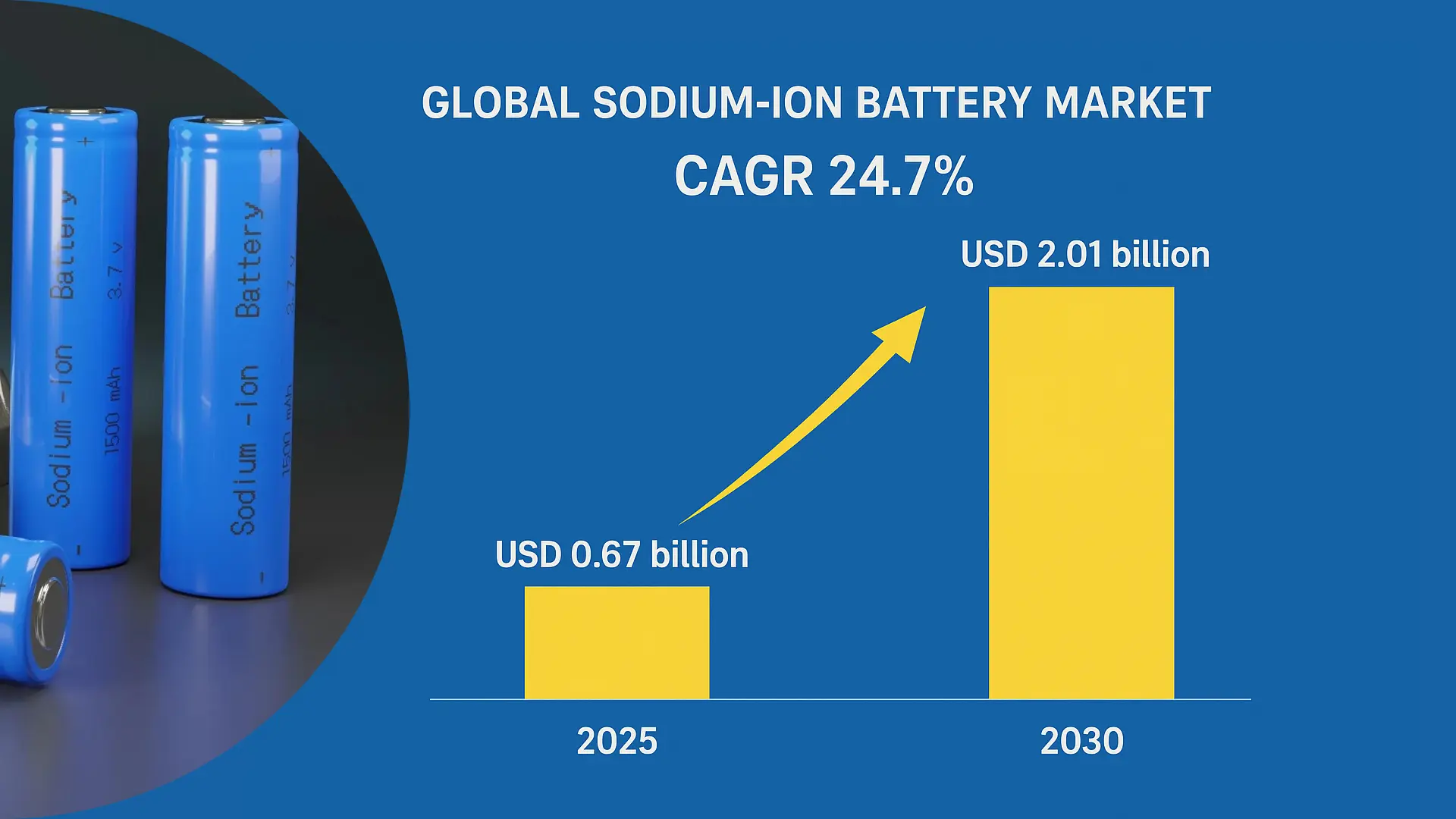
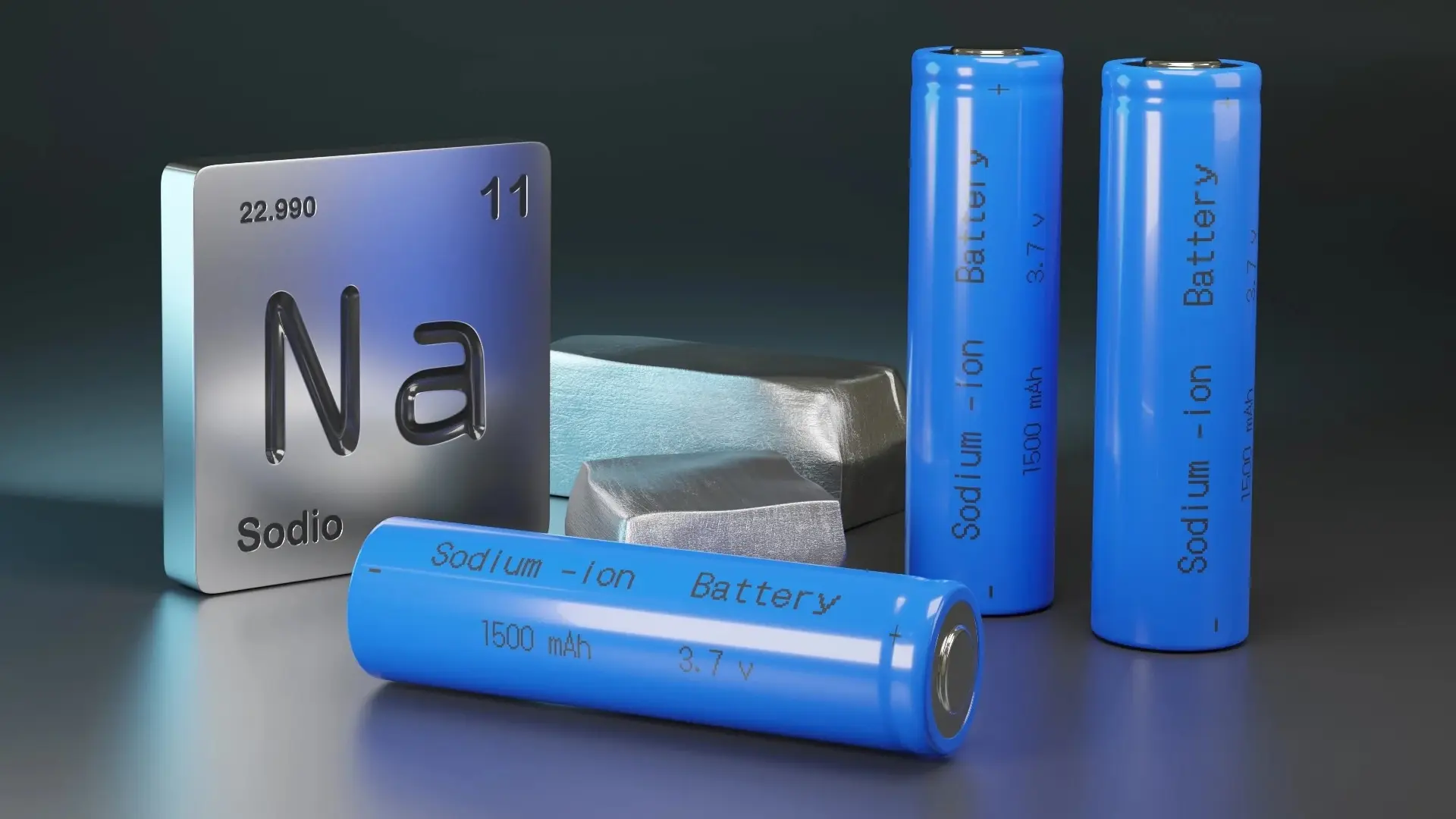
Sodium-ion (Na-ion)
Already in mass production. Energy density is 120–160 Wh/kg — slightly below LFP — but cold-weather performance is dramatically better: capacity retention above 90% at −20°C versus ~60% for lithium-ion. Cost is approximately 30% lower than LFP. Current applications: e-bikes, low-speed EVs, stationary storage. Not suitable for long-range passenger vehicles due to energy density constraints.
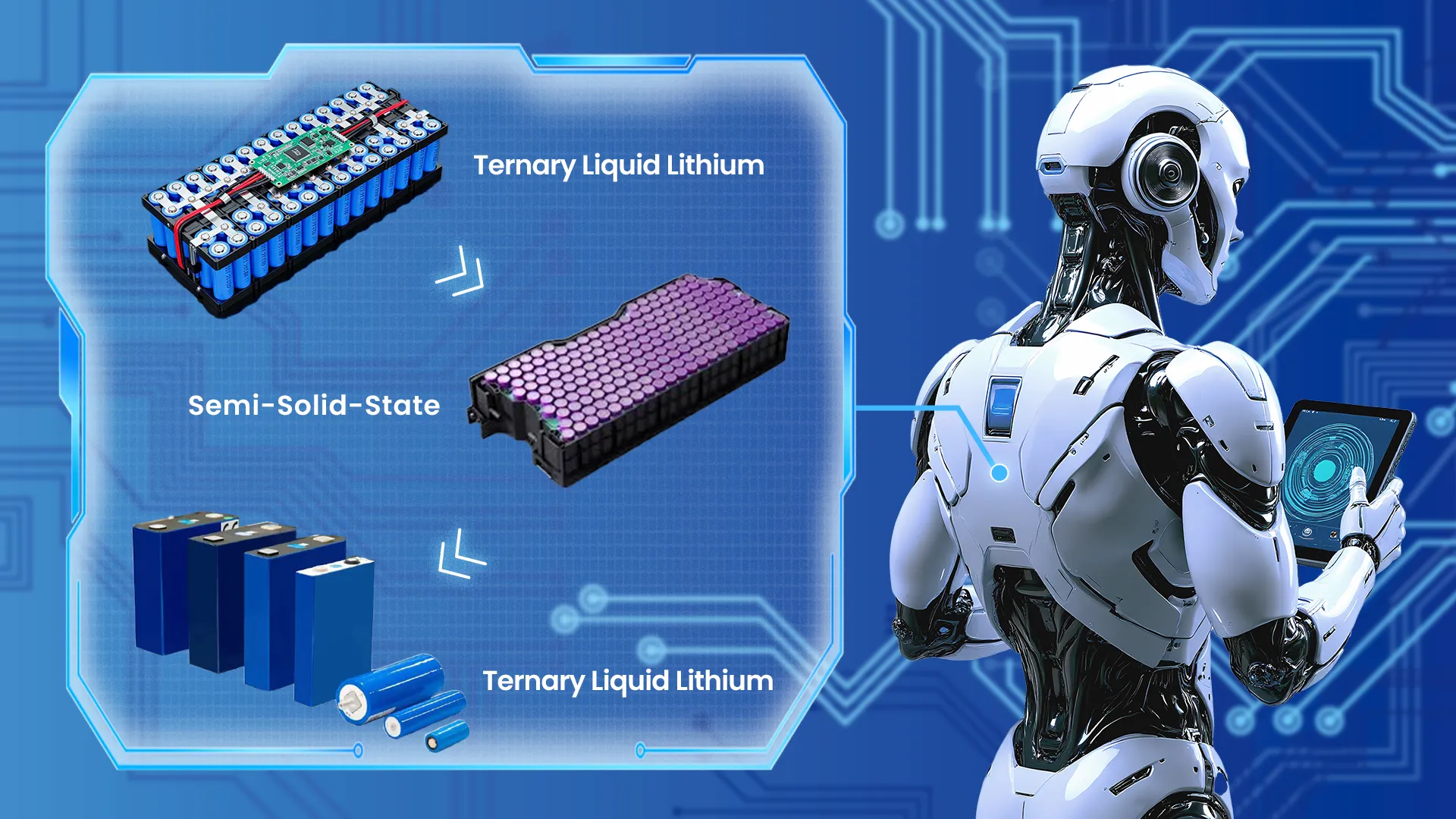
Semi-solid / All-solid-state
Semi-solid cells (5–20% liquid electrolyte remaining) are in limited production at 280–350 Wh/kg and are appearing in premium Chinese EVs (NIO, IM Motors). True all-solid-state cells — 400–600 Wh/kg, no fire risk, 10,000+ cycle life — remain in the lab. Mass production is unlikely before 2027–2030.
Vanadium flow batteries
20,000+ cycle life, zero fire risk, but extremely low energy density (20–40 Wh/kg) and large physical footprint. These are grid-scale storage solutions — irrelevant for vehicle applications.
Sodium-ion is the most impactful near-term new type of battery for electric cars in the low-cost segment. All-solid-state is the long-term answer for premium EVs but is not a consumer reality yet.
How to Choose the Right Battery Type for Your EV
Match chemistry to your driving environment and priorities — not to a brand name.
| Your situation | Recommended chemistry |
| City commuting: warm climate (above 0°C regularly) | LFP |
| Long-range driving: cold climate (below −10°C regularly) | NCM/NCA |
| Priority: maximum safety and lowest lifetime cost | LFP |
| Priority: fastest charging and longest single-charge range | NCM/NCA |
| Budget EV or short-range urban mobility | Sodium-ion (increasingly available) |
For best car battery type for cold weather: NCM/NCA retains 75–85% capacity at −10°C versus 60–70% for LFP. In sustained sub-zero conditions, the gap is significant enough to affect daily usability.
FAQs for Electric Car Battey Types and Sizes
What type of battery does a standard electric car use?
Most EVs today use lithium-ion batteries, specifically either LFP (lithium iron phosphate) or NCM/NCA (ternary lithium). LFP dominates by volume (79.8% of Chinese EV installations in 2025); NCM/NCA is preferred for long-range and cold-weather applications.
Is LFP or NCM better for an EV?
LFP is better for safety, cycle life (3,000–5,000 cycles), and cost (~$80–90/kWh). NCM/NCA is better for energy density (up to 300 Wh/kg), fast charging (2–4C), and cold-weather performance. Neither is universally superior — the right choice depends on your climate and use case.
What are the three shapes of EV battery cells?
Cylindrical (e.g., Tesla 4680), prismatic (mainstream in China; includes BYD Blade), and pouch (used in some premium models). Prismatic is currently the most common format in new EV designs.
Are sodium-ion batteries replacing lithium in EVs?
Not replacing — complementing. Sodium-ion batteries are entering low-cost EV segments and energy storage due to their low cost, cold-weather resilience, and resource abundance. They cannot match lithium’s energy density for long-range passenger EVs.
What is a solid-state battery and when will it be available?
Solid-state batteries replace liquid electrolyte with a solid material, enabling 400–600 Wh/kg energy density and eliminating fire risk. Semi-solid variants are in limited production now; true all-solid-state mass production for consumer EVs is estimated 2027–2030 at the earliest.